



ICT access and E-service for poor and remote communities

PROJECT

Timeline

February 2017
Project Appraisals
UNDP Local Project Appraisal Committee
February 2017
Public Review/Comment
Project Document Public Review/Comment Period
GRIF
November 2017
GRIF Steering Committee Approval
December 2017
Project Implementation
No-Cost Extension - November 2022
No-Cost Extension - September 2023
No-Cost extension - February 28, 2024
No-Cost extension - December 2026
December 2026
Project Completion

Project Status & Information

Implementation Status

Ongoing

as at March 2026

Governance

OPM

Financial Performance

Funds Allocated (US$)​
USD $ 0
Expenditure (US$) as of March 2026
USD $ 0

Target

ICT Hubs connected to the Internet
0

Results

ICT Hubs commissioned
0
ICT Hubs connected
0
Grants provided to communities for civil works
GYD  0
Solar PV Technicians Trained
0
% of Technicians trained are female
ICT Hubs Managers Trained
0
% of ICT managers trained are female

Background

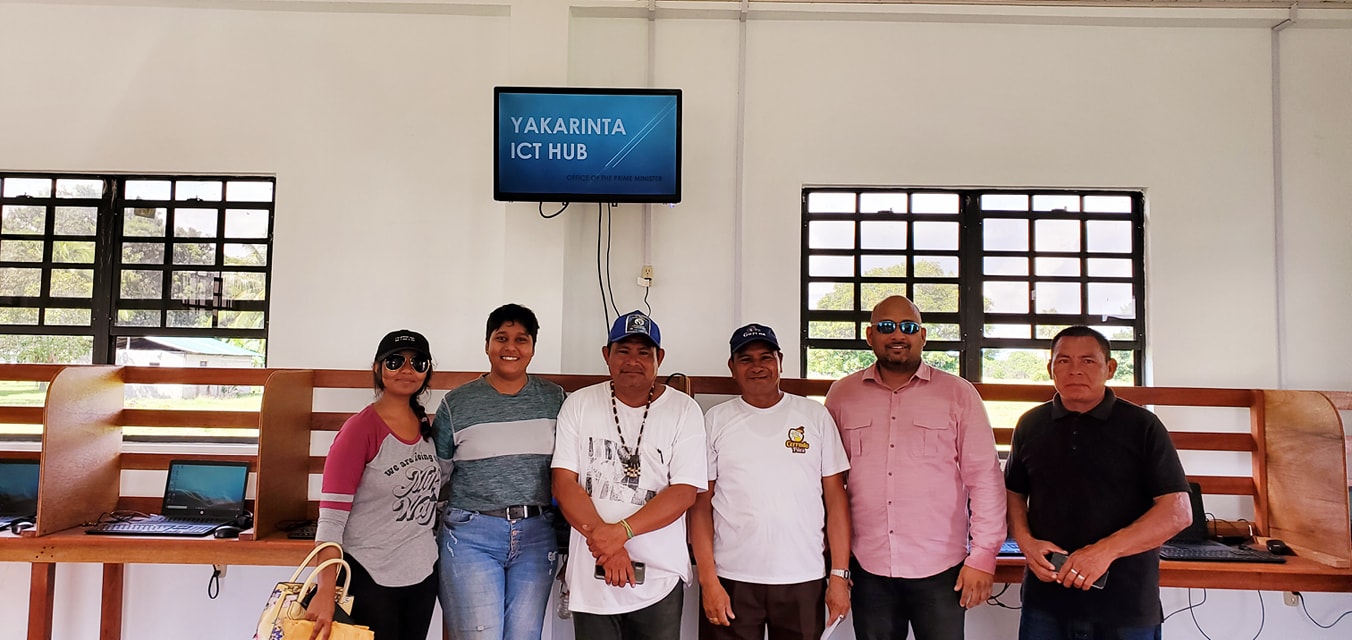
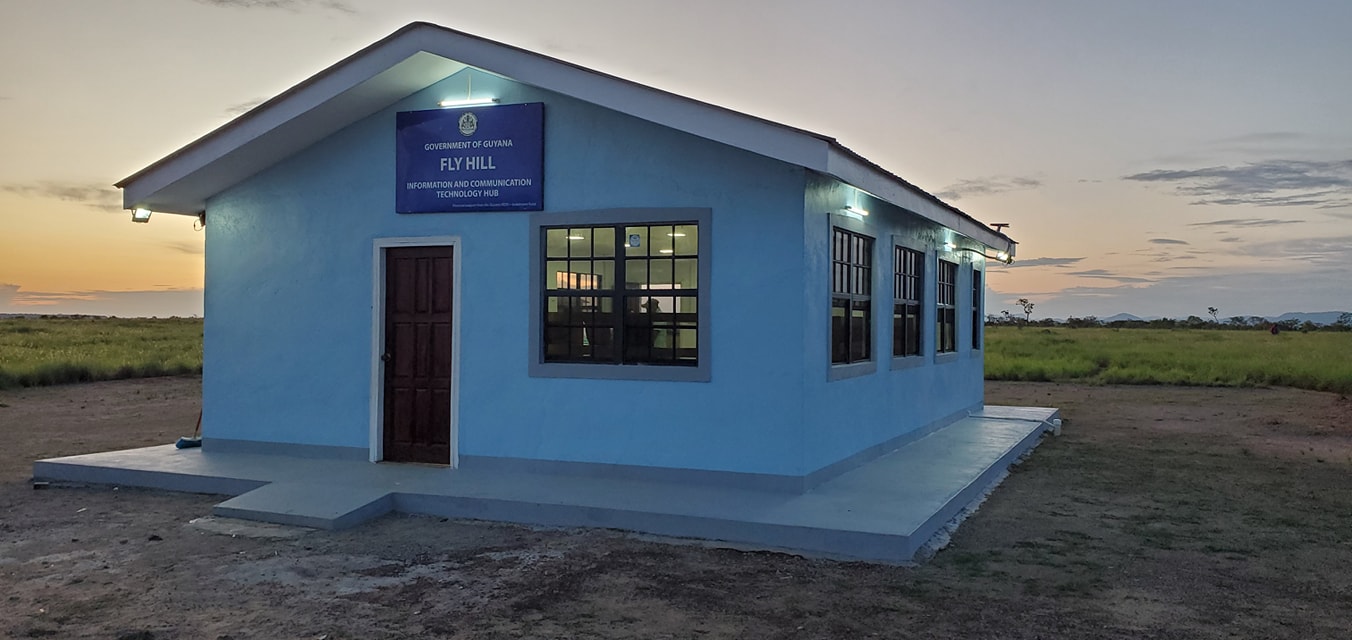
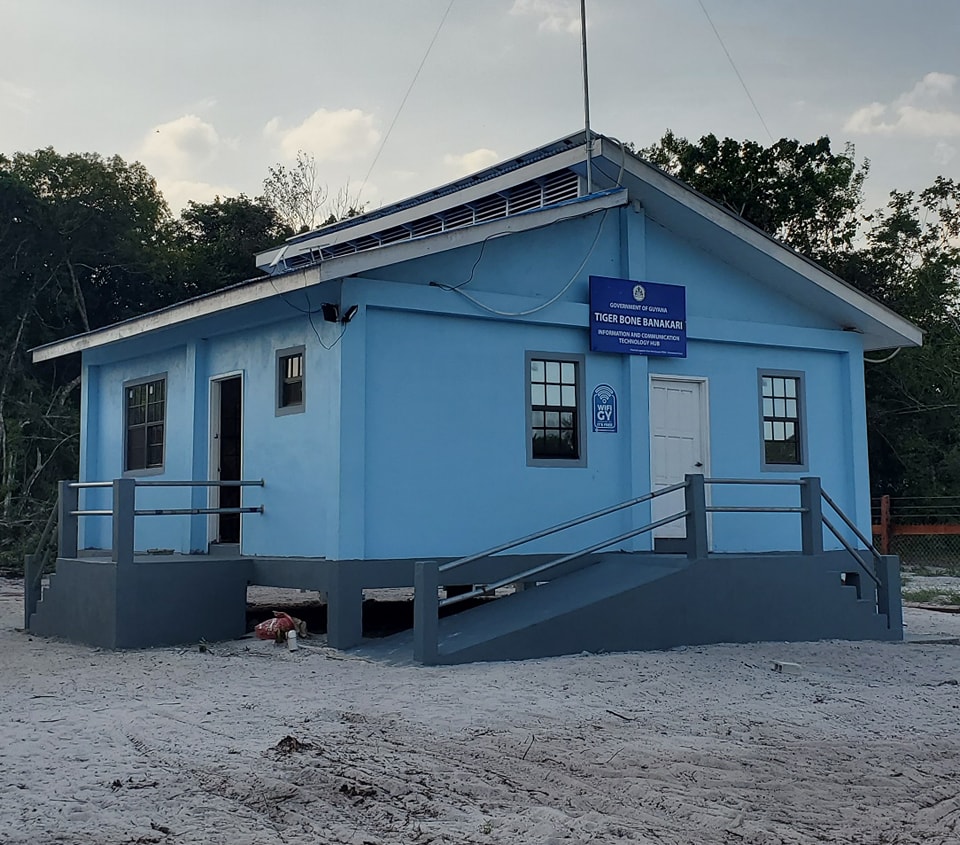
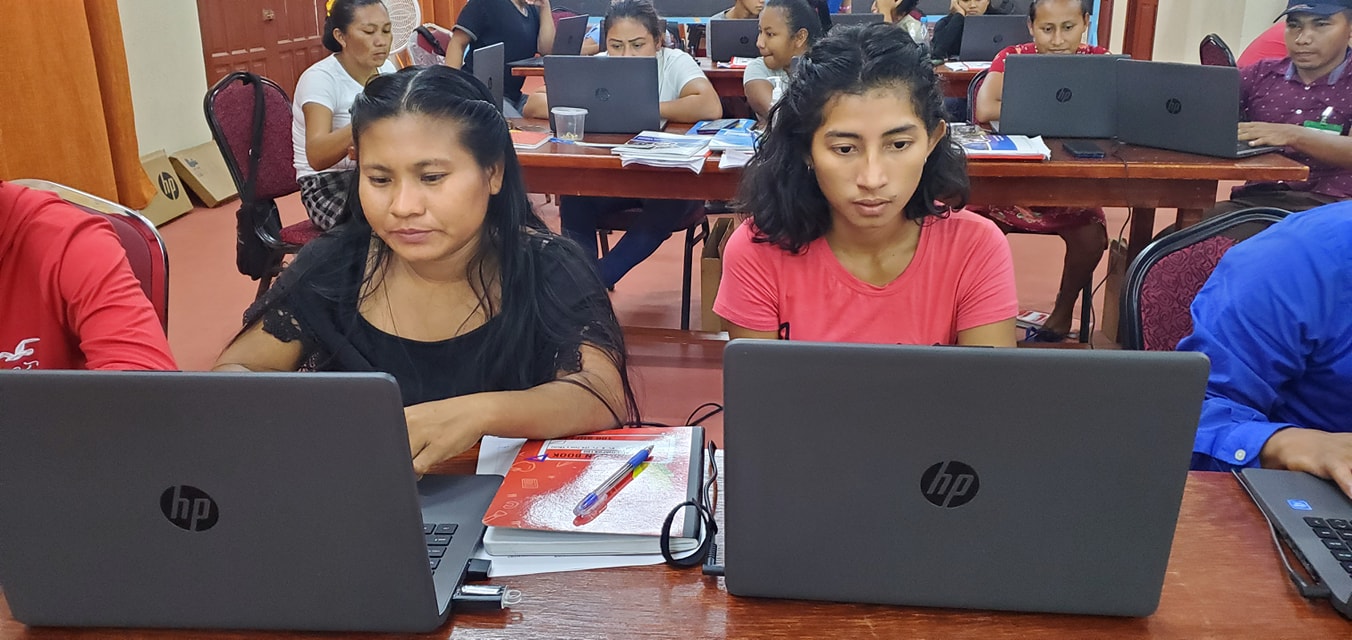
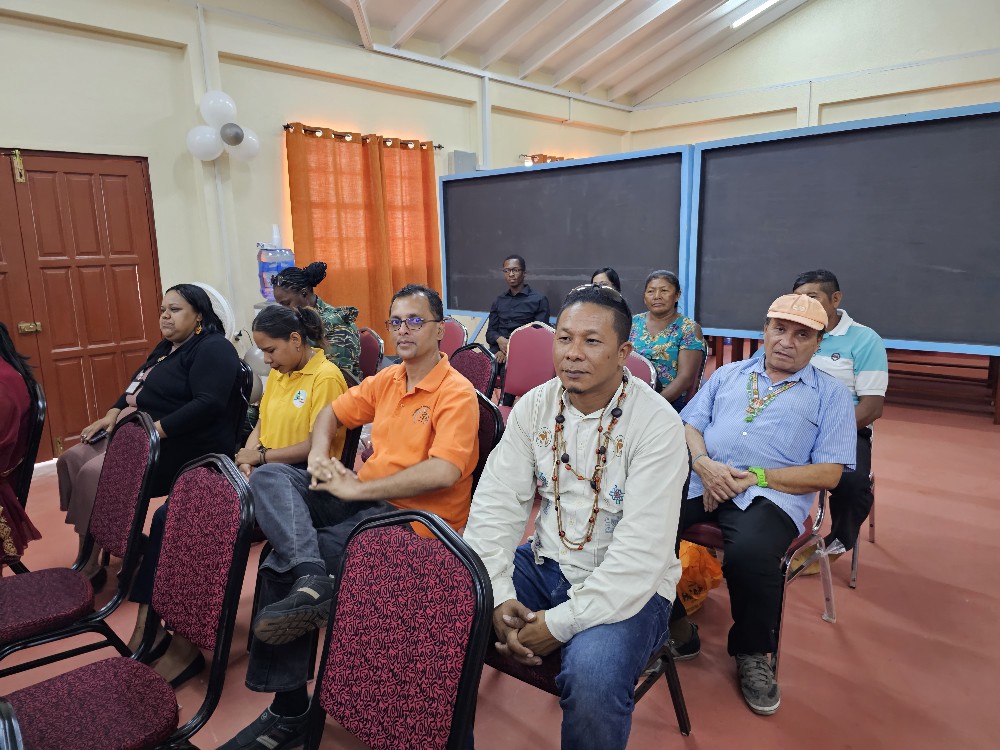
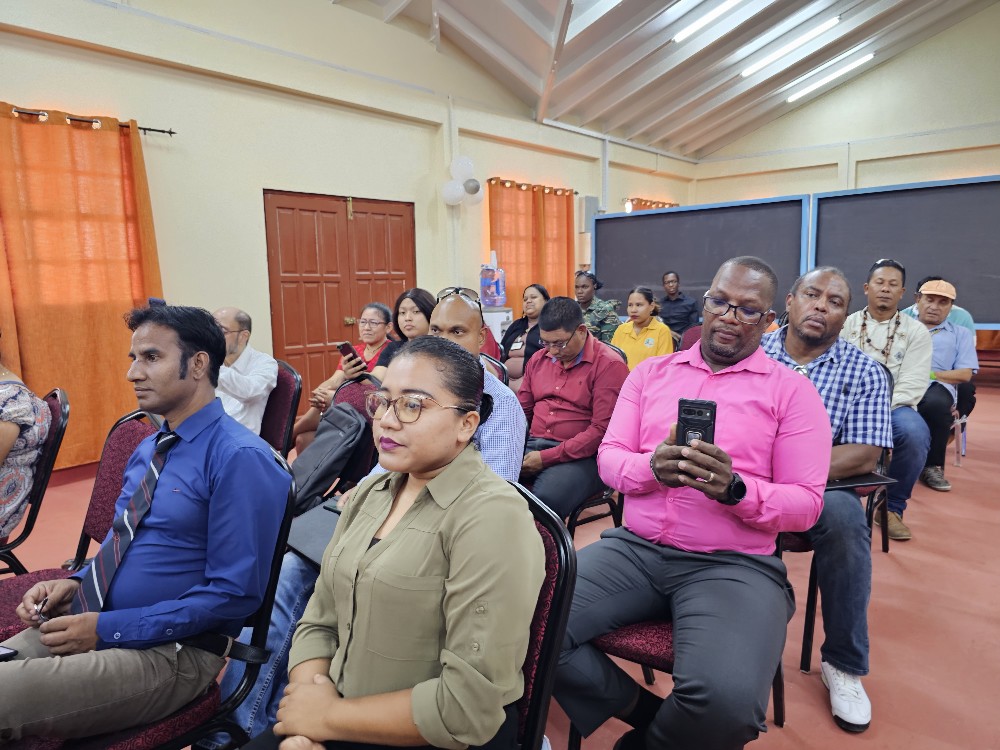
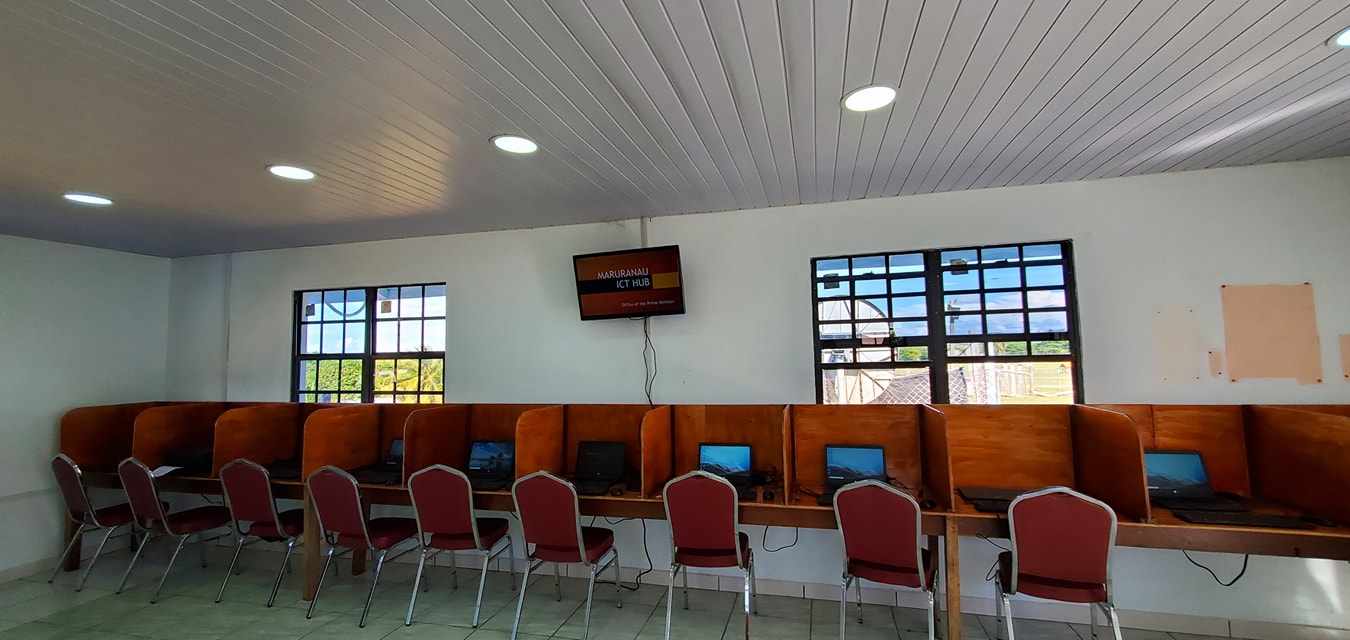
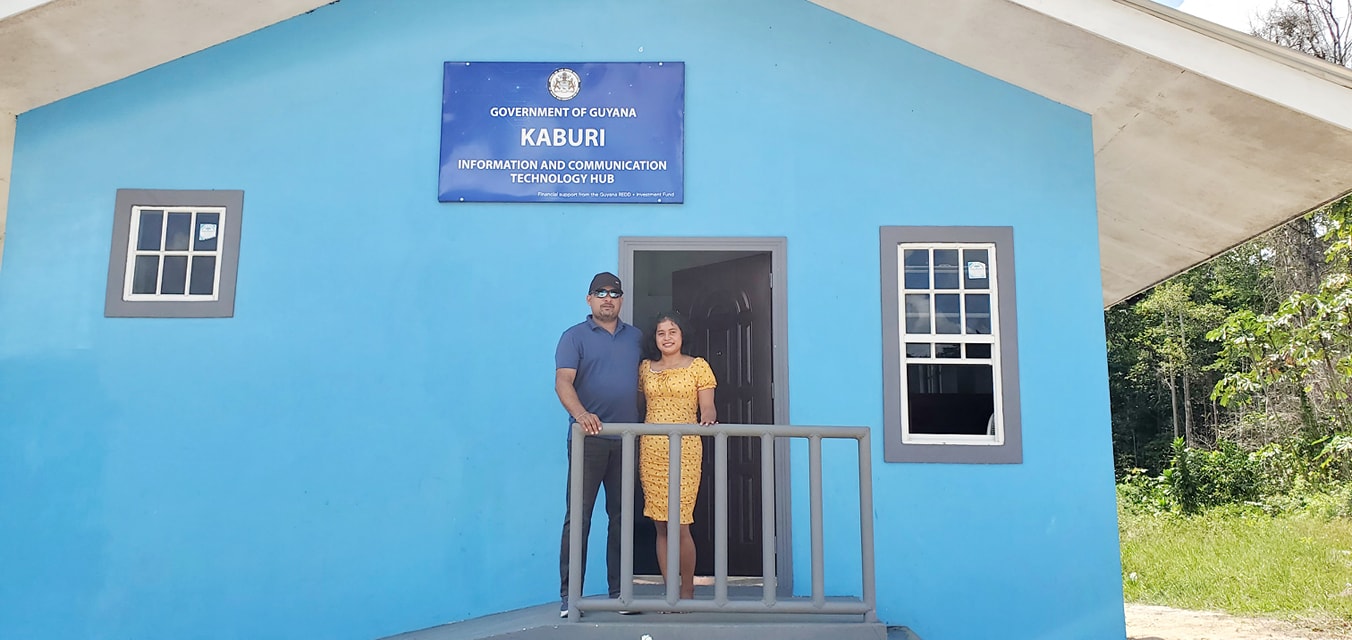
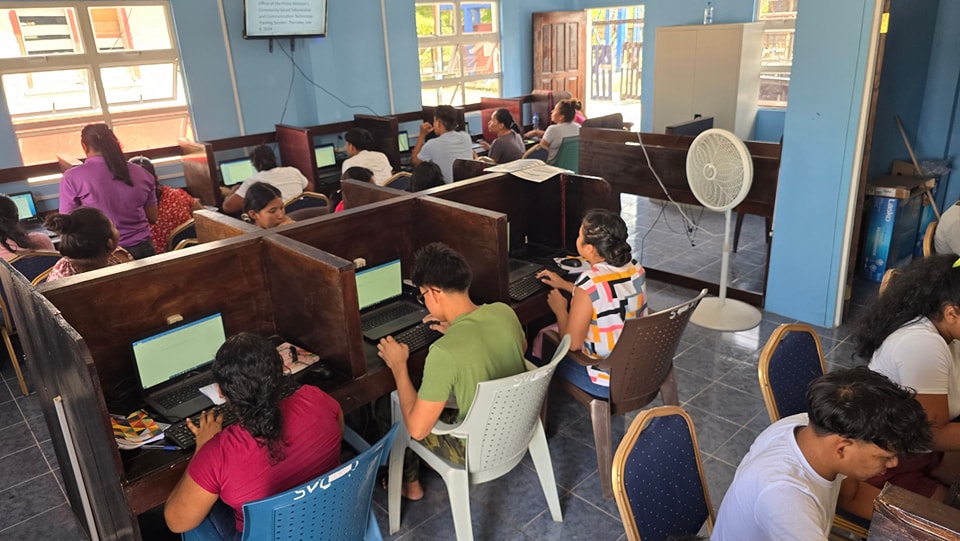
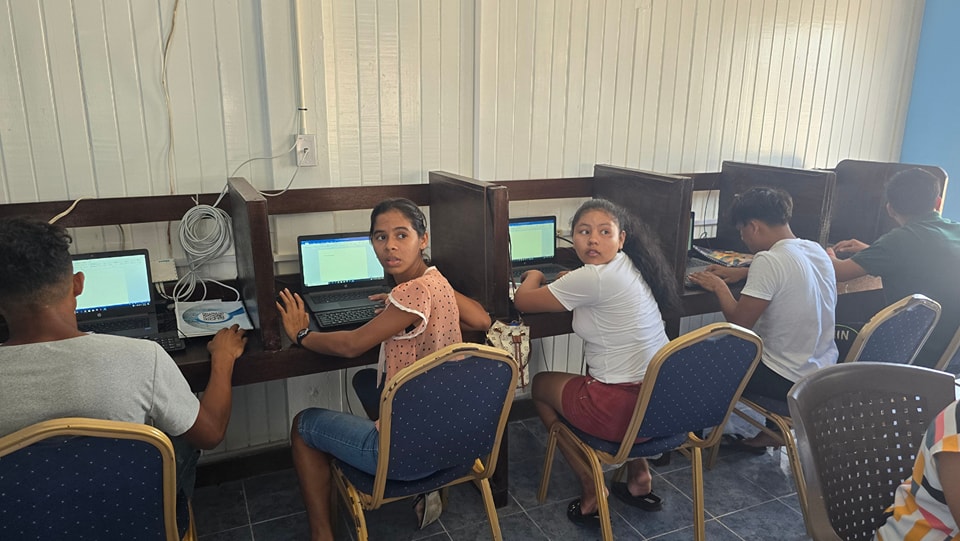
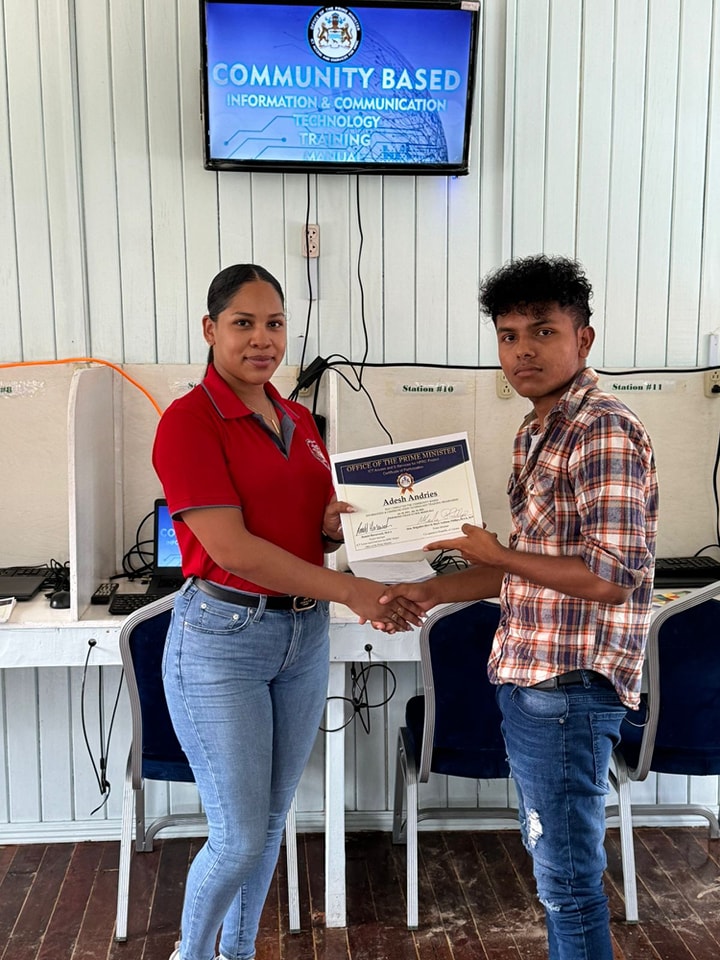
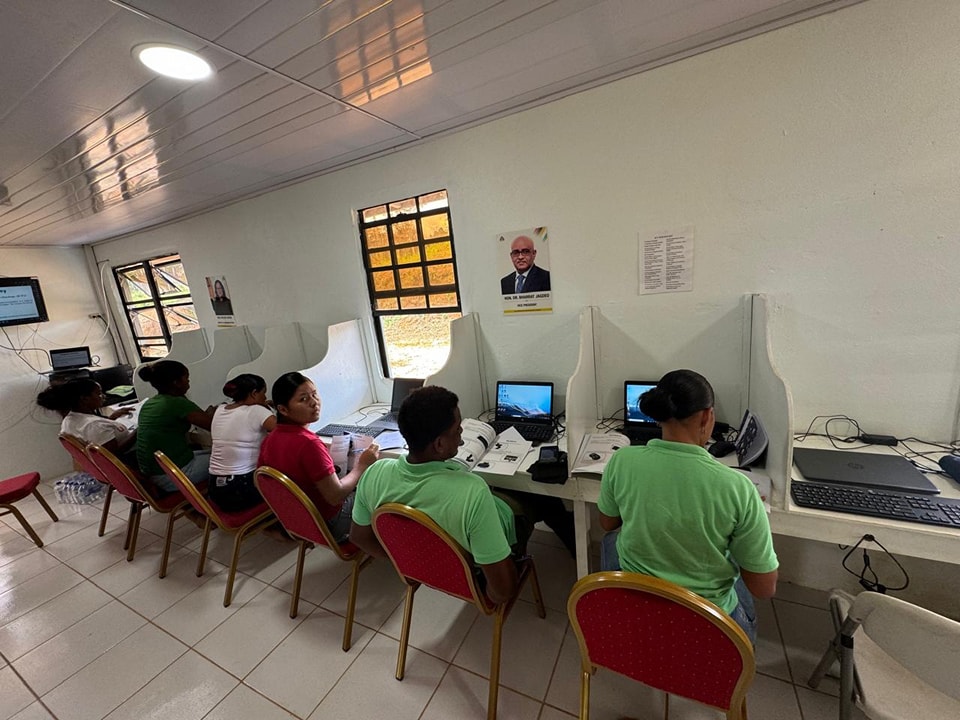
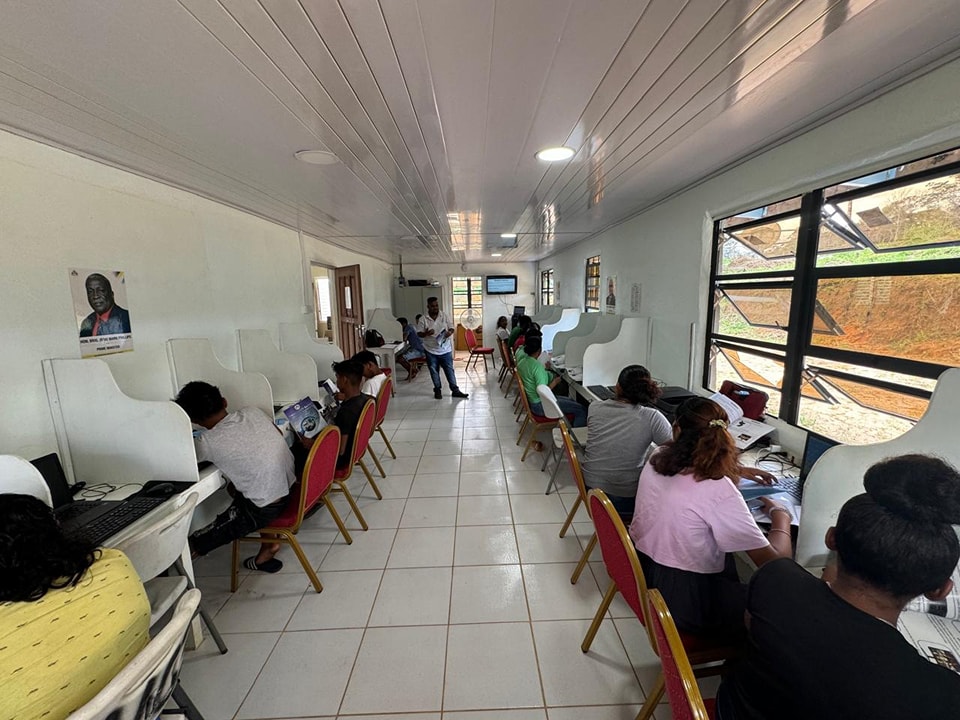
The objective of the ICT (Information and Communications Technology) Access and E-Services for Hinterland, Poor, and Remote Communities Project is to provide connectivity and accompanying electronic services to 200 Hinterland, Poor, and Remote Communities (HPRCs) across Guyana. Fostering sustainable development in these regions is one of the core priority outcomes of Guyana’s Low Carbon Development Strategy (LCDS). A key component in achieving this is the provision of public services and information via the deployment and use of new Information and Communications Technologies (ICTs). While ICTs play a central role in the process, the ultimate goal of the project is to enhance the sustainable human development of HPRCs while promoting the development of a national green economy.

The Government of Guyana, working closely with UNDP, has already completed a comprehensive baseline and needs assessment study for HPRCs. The study, which included field visits and direct interaction with target communities, provided deep insights into the core issues these communities face and suggested technologies and business models to help bring and sustain the needed services and information.

Key Results

Summary of Project Progress (Status as of March 2026)

As of March 2026, the ICT Access and E-Services for Hinterland, Poor and Remote Communities Project has achieved 76% overall implementation and expenditure, with substantial progress made toward its objective of strengthening digital infrastructure, improving public service delivery, and expanding ICT access across Guyana. The project has successfully delivered the majority of its planned technical outputs, positioning it to achieve its core development objectives.

To date, the project has delivered approximately 70–85% of its planned outputs, including significant investments in ICT infrastructure, digital platforms, equipment deployment, and institutional capacity development. Key achievements include the upgrade of ICT infrastructure in seven targeted public institutions, improving system reliability and digital readiness, and the successful deployment of two national digital platforms, enhancing access to public digital services.

The project has also substantially reduced technology gaps through the procurement and installation of the majority of GRIF-funded ICT equipment, while strengthening institutional capacity through the training of more than 110 public officers. In addition, draft ICT policy and governance frameworks have been completed, providing a stronger foundation for Guyana’s digital transformation agenda. Progress has also been made in the phased deployment of cybersecurity solutions, improving data protection and the resilience of government information systems.

Output Area

Status (March 2026)

ICT Infrastructure

Upgraded in 7 public institutions

Digital Platforms

2 national platforms operational

ICT Equipment

Approximately 85% procured and installed

Capacity Building

110+ public officers trained

ICT Policy & Governance

Draft policy framework completed

Cybersecurity

Partial deployment completed

Overall, the project has established a strong foundation for improved digital governance through modernized ICT infrastructure, enhanced digital public services, strengthened institutional capacity, and improved cybersecurity readiness. These achievements represent significant progress toward Guyana’s digital transformation objectives and provide a sustainable platform for continued expansion of ICT-enabled services, particularly for hinterland, poor, and remote communities.


(as of June 2025)
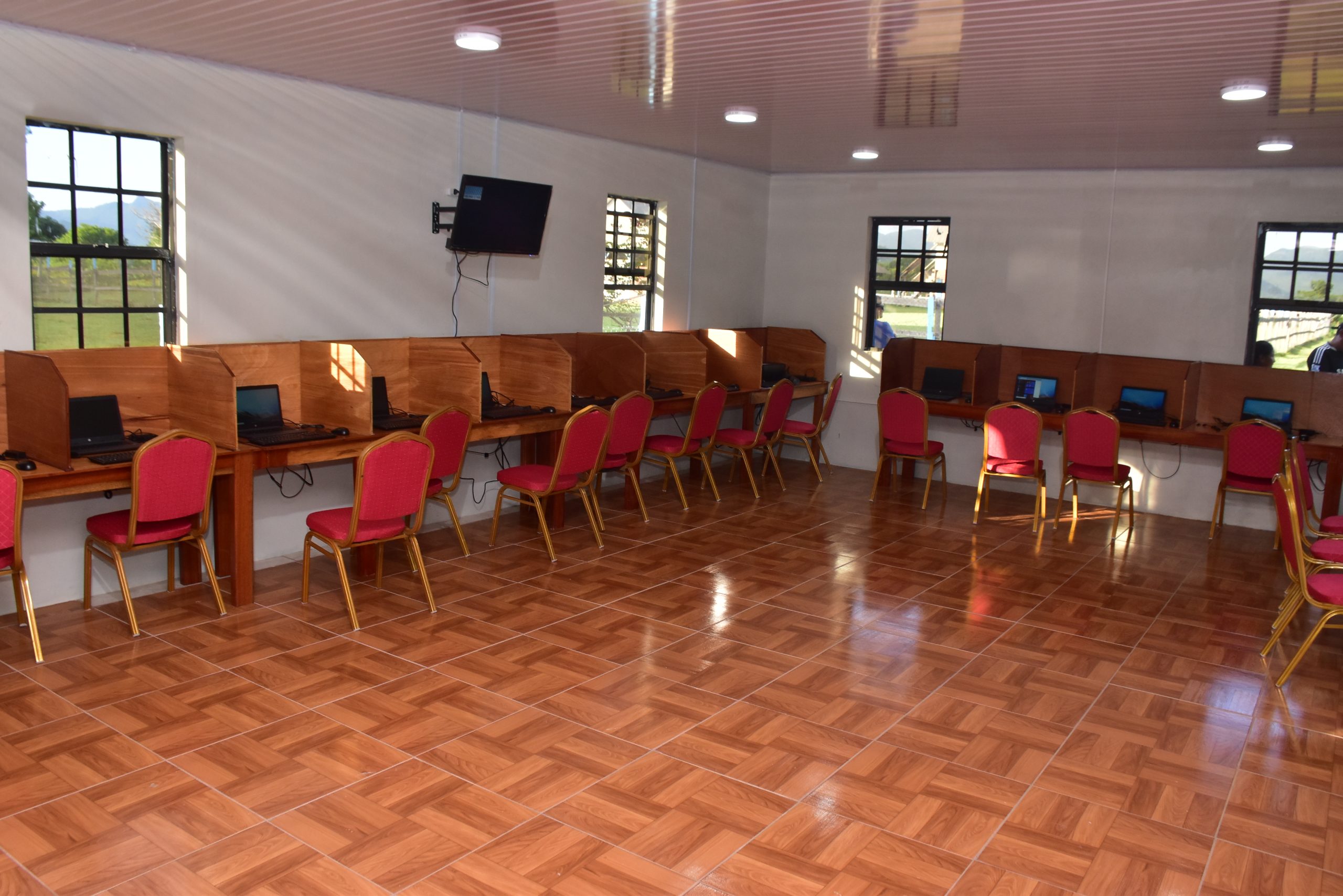
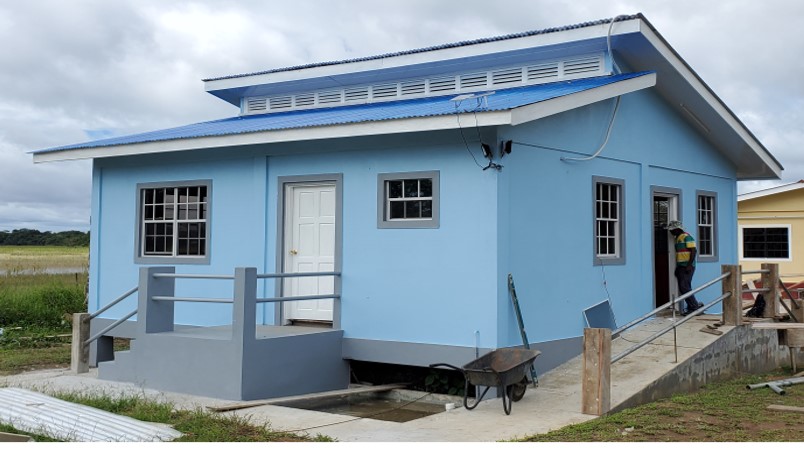
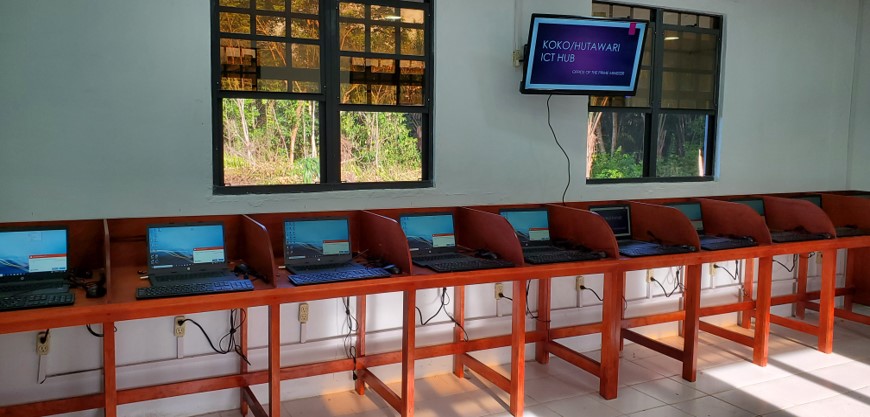
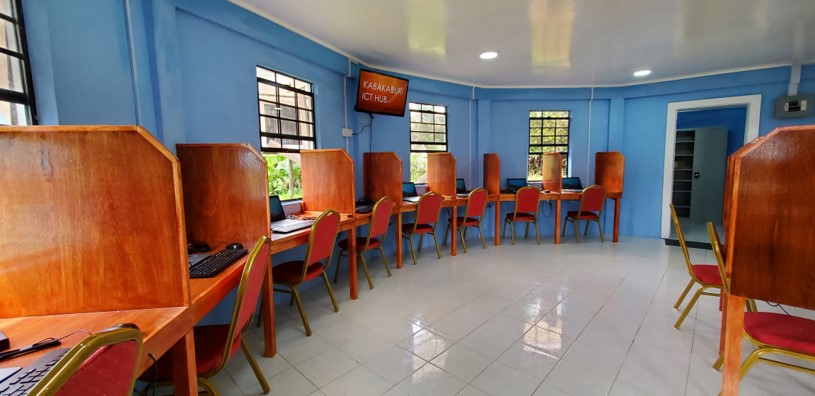
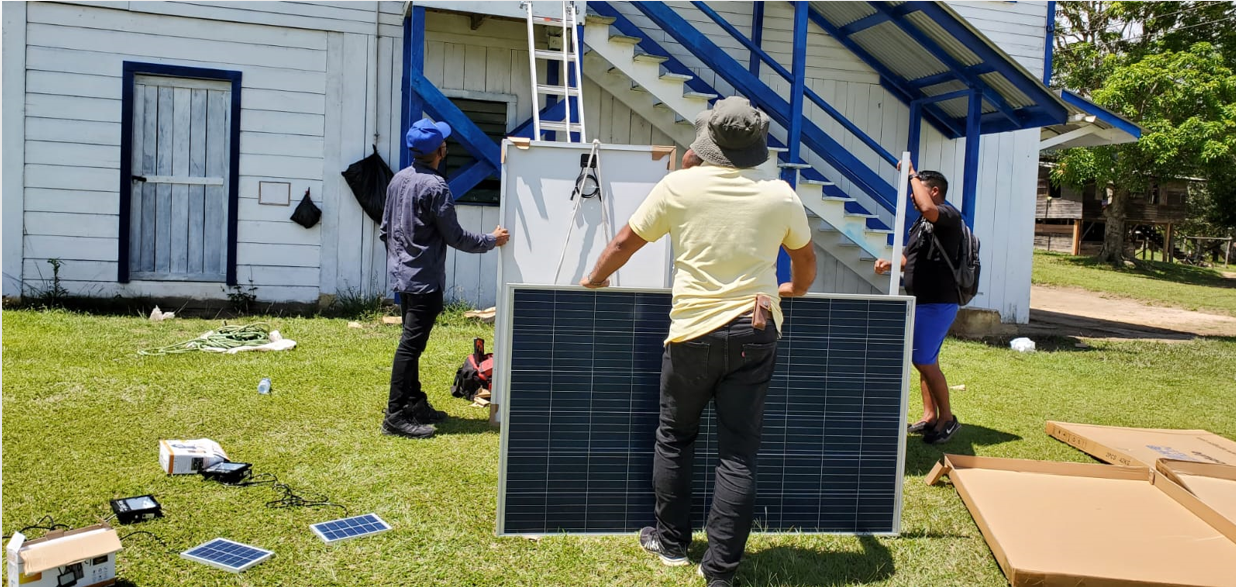
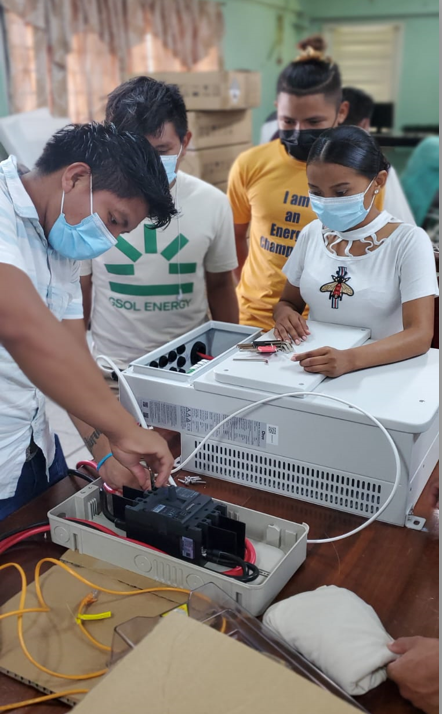
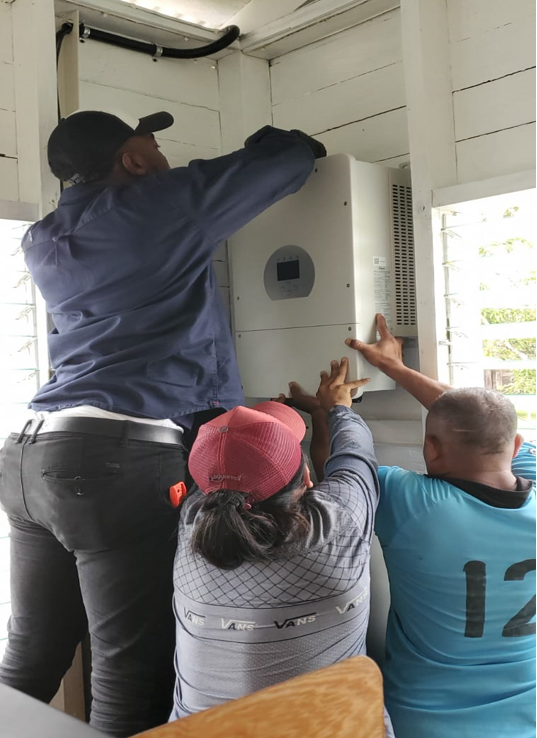
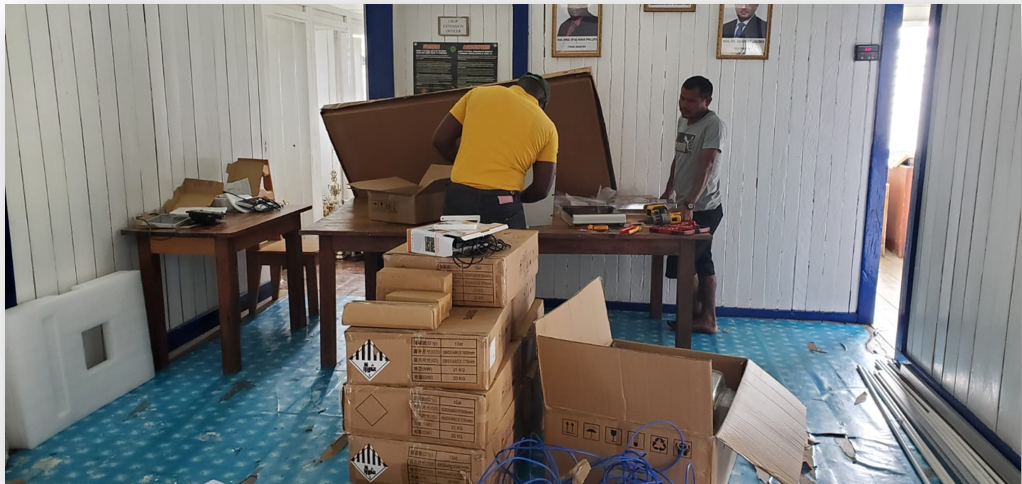
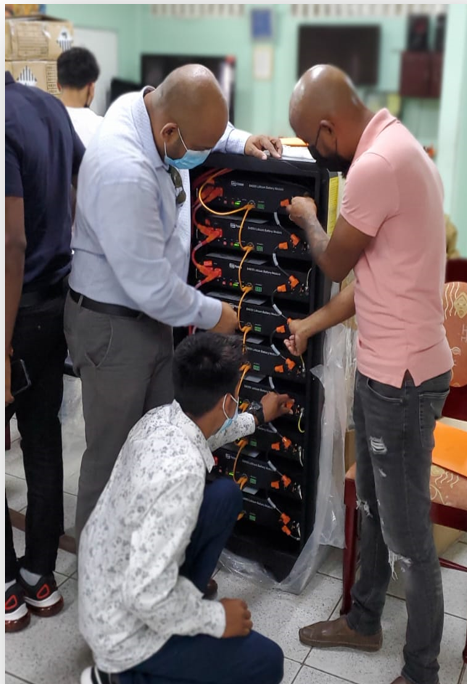
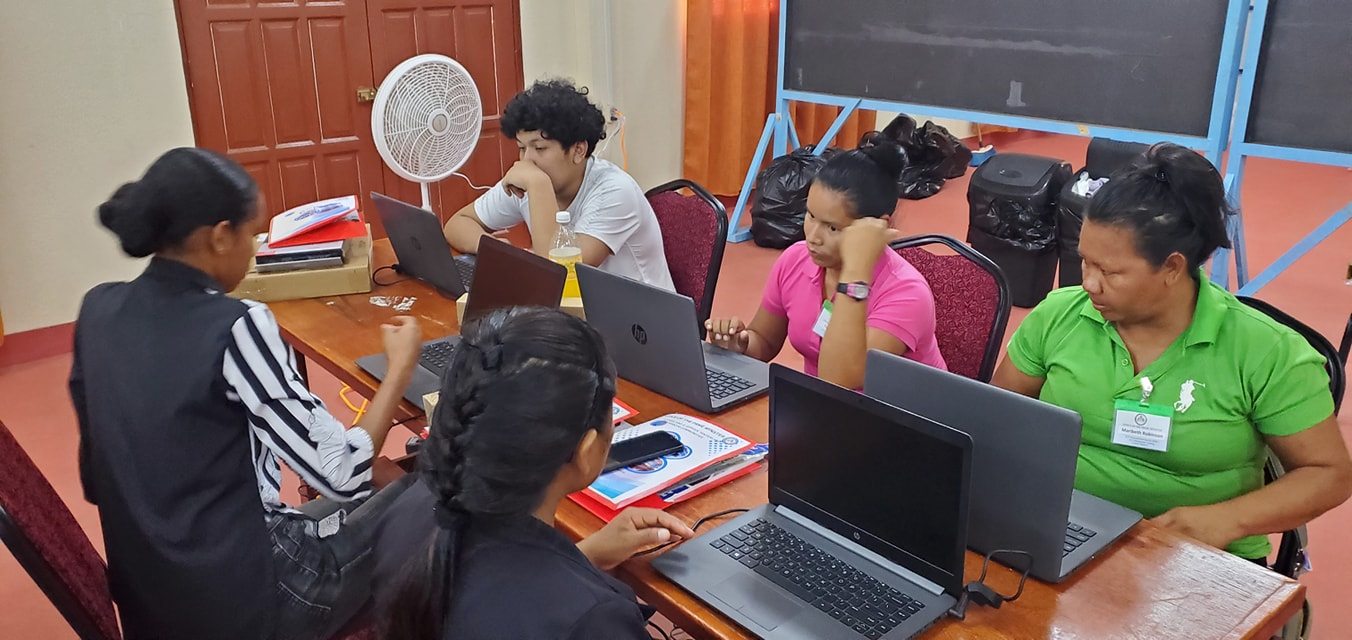
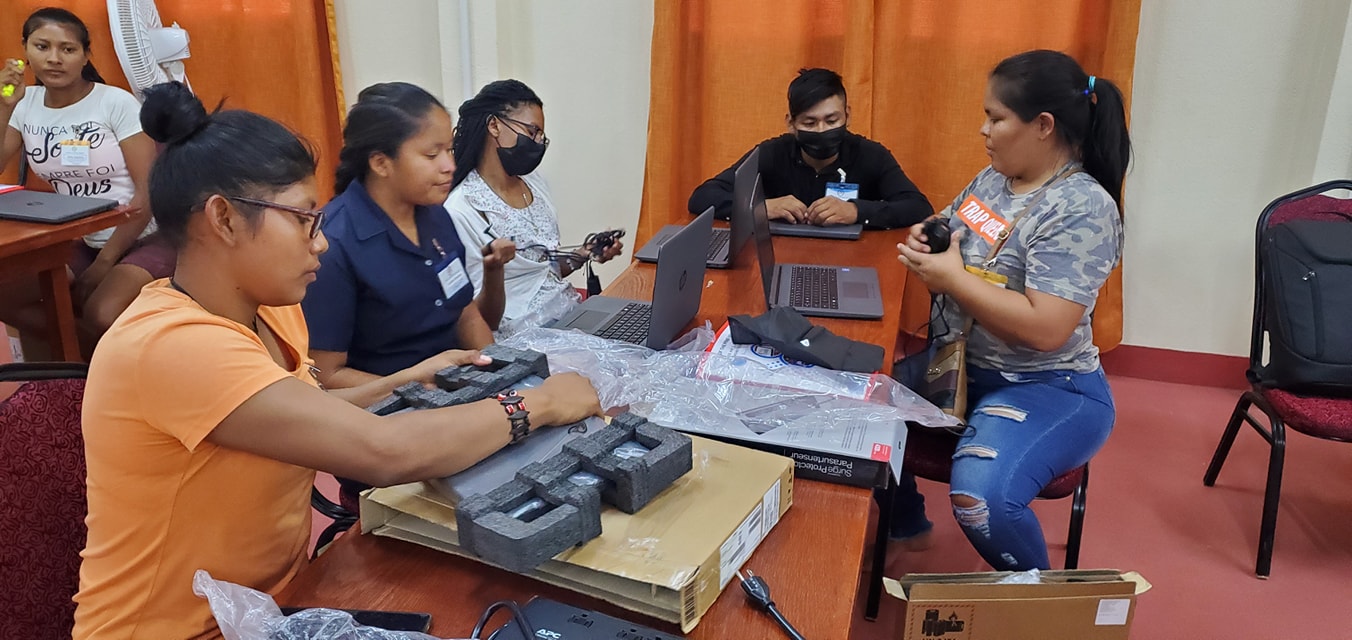
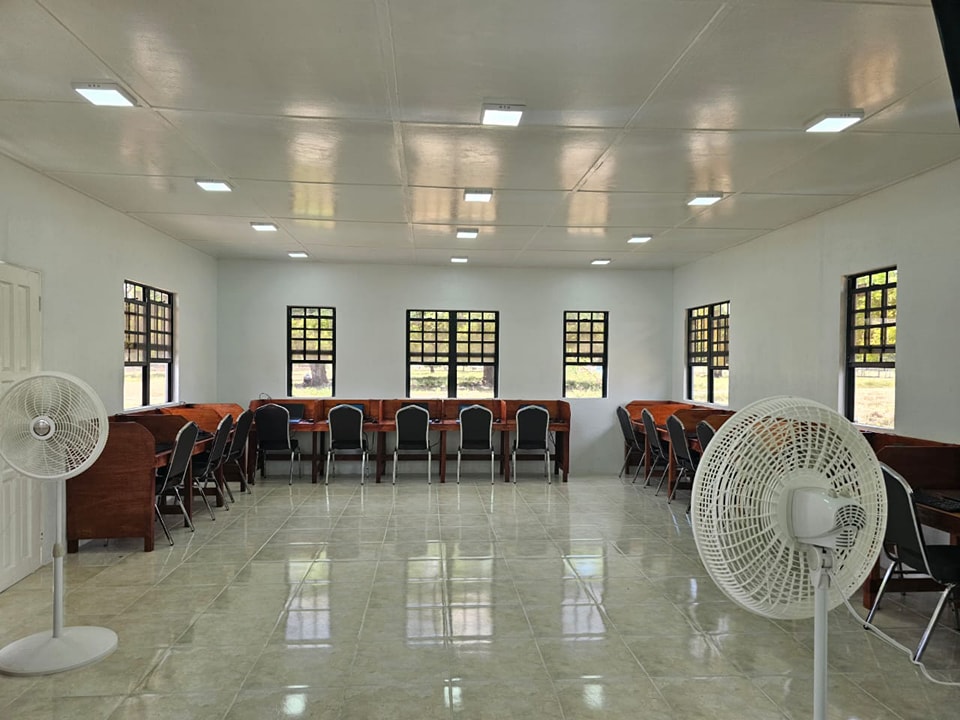
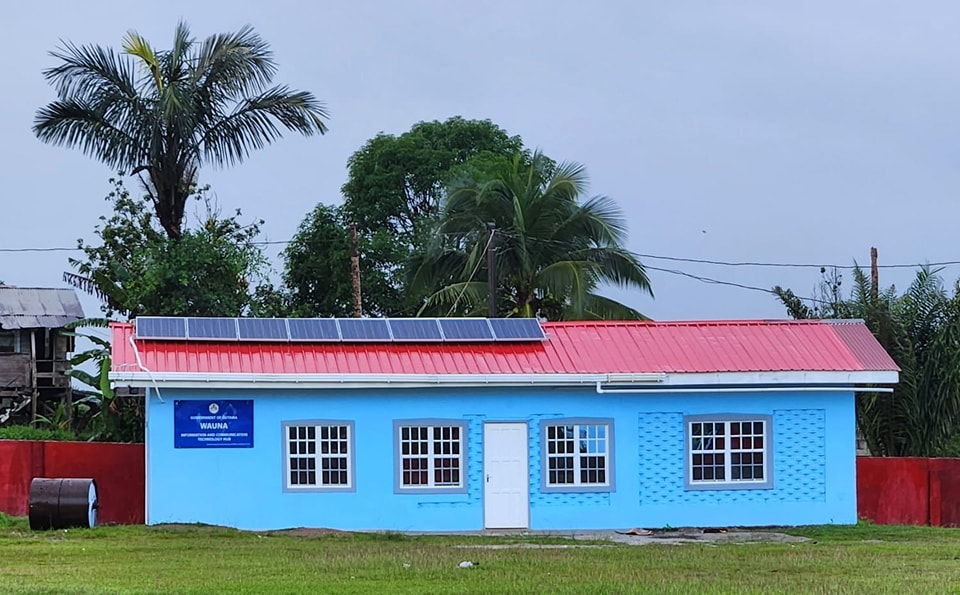
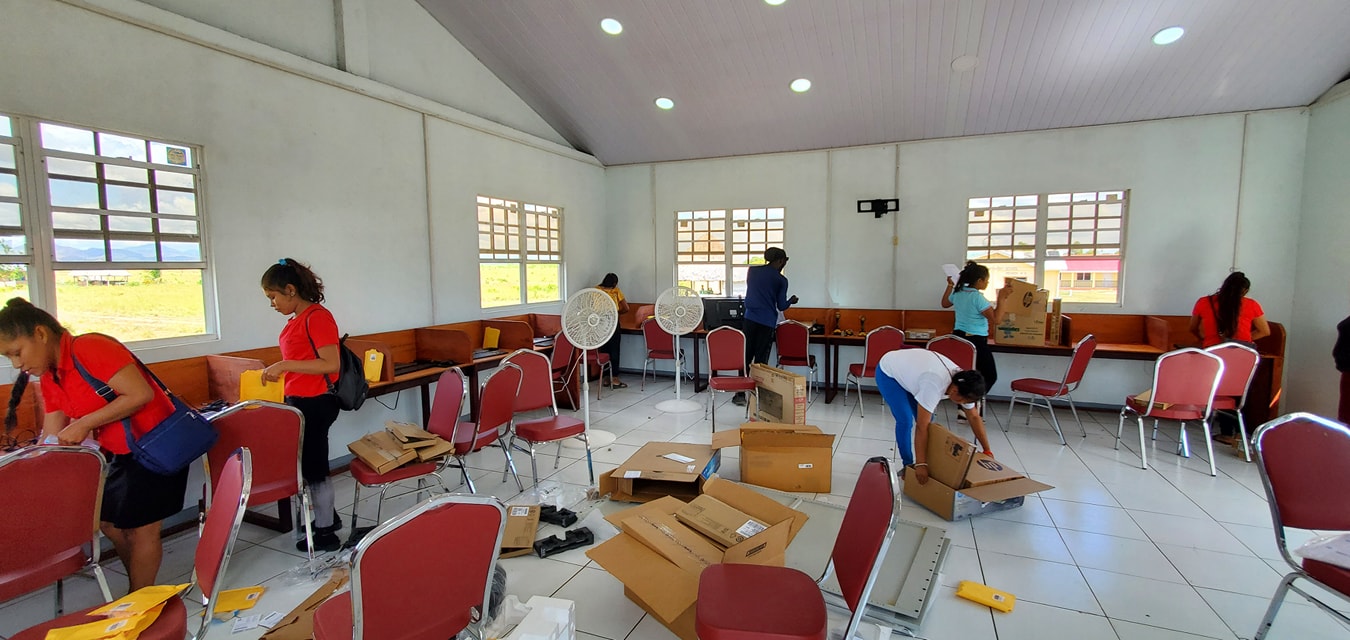
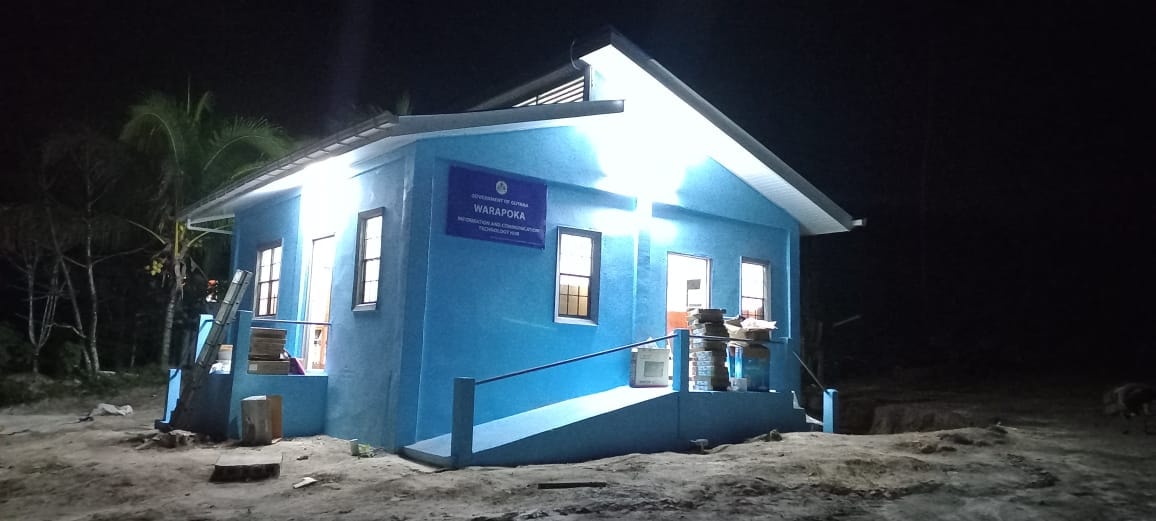
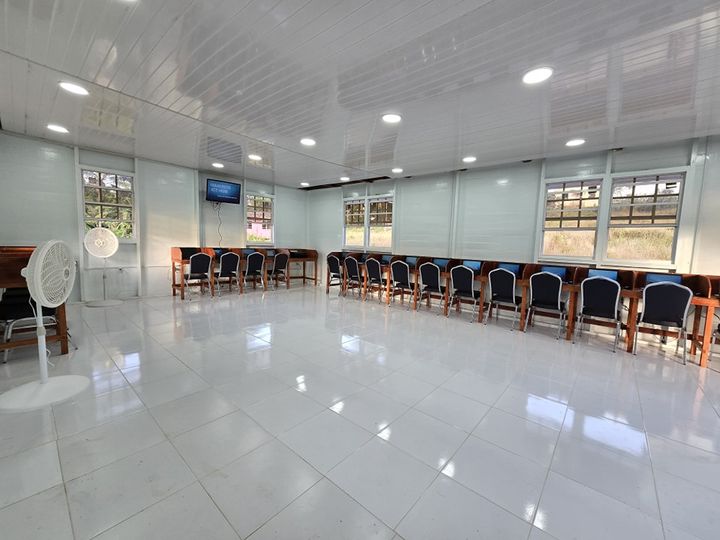
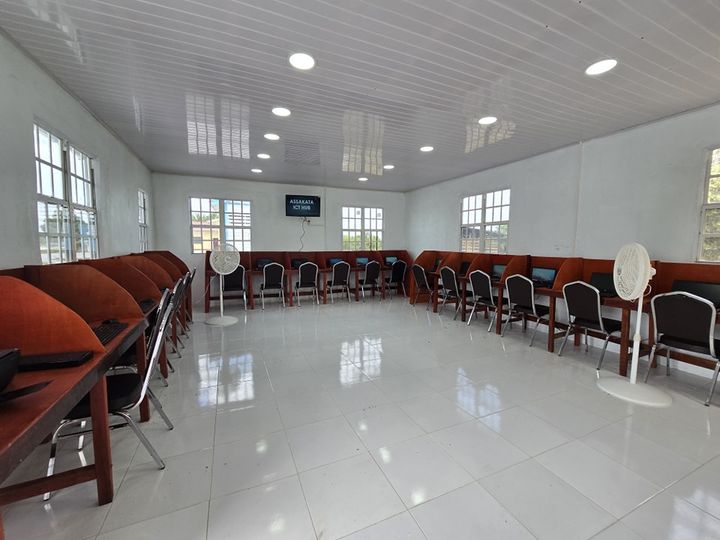
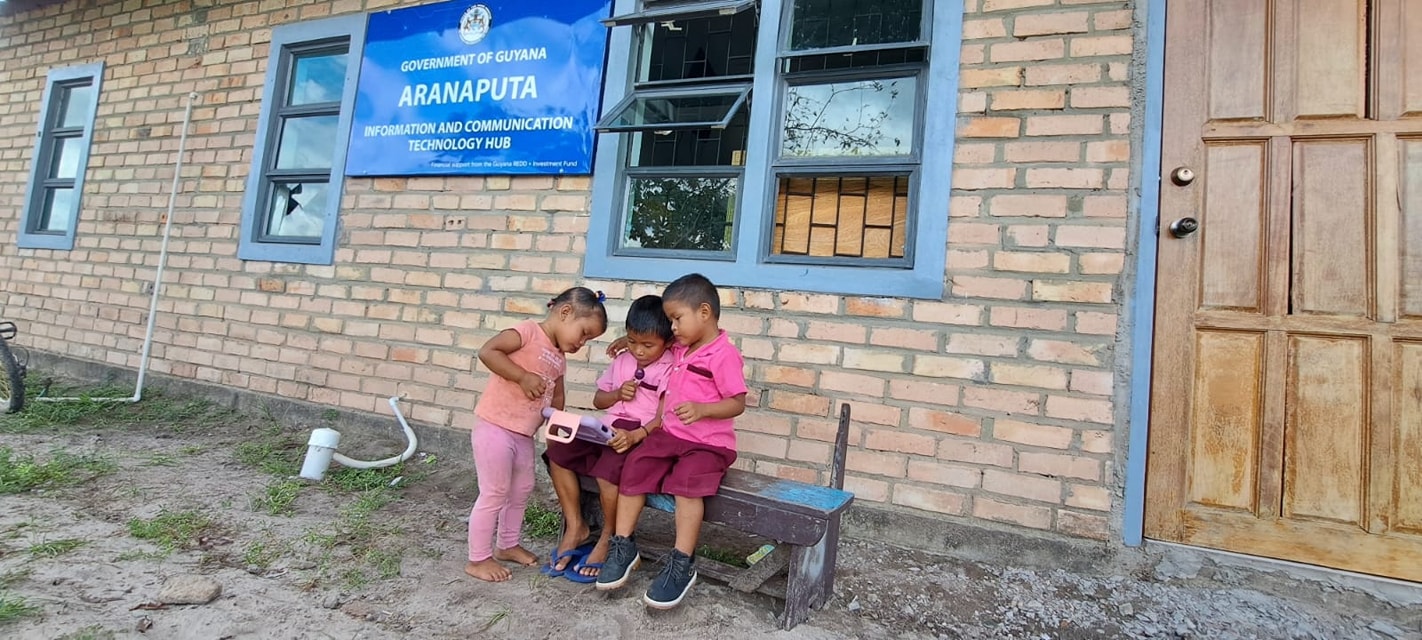
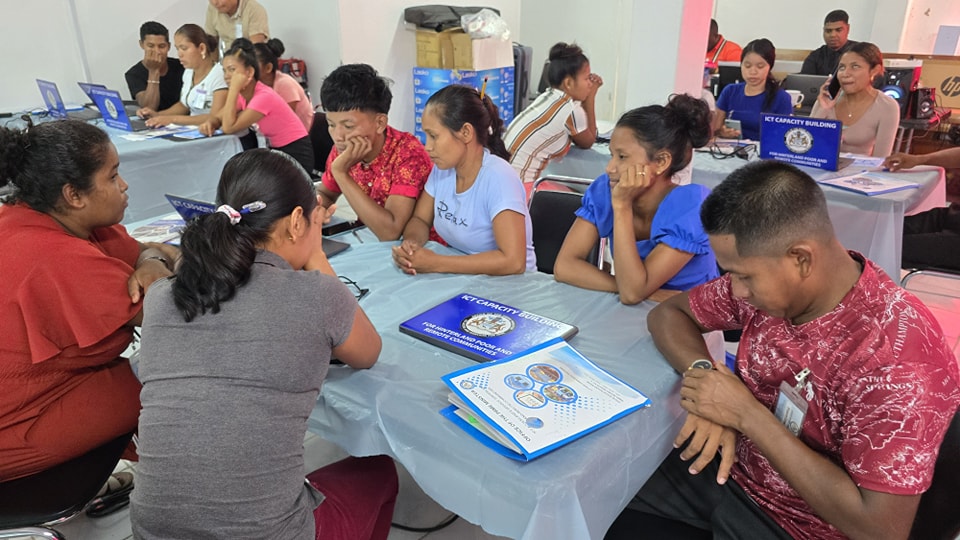
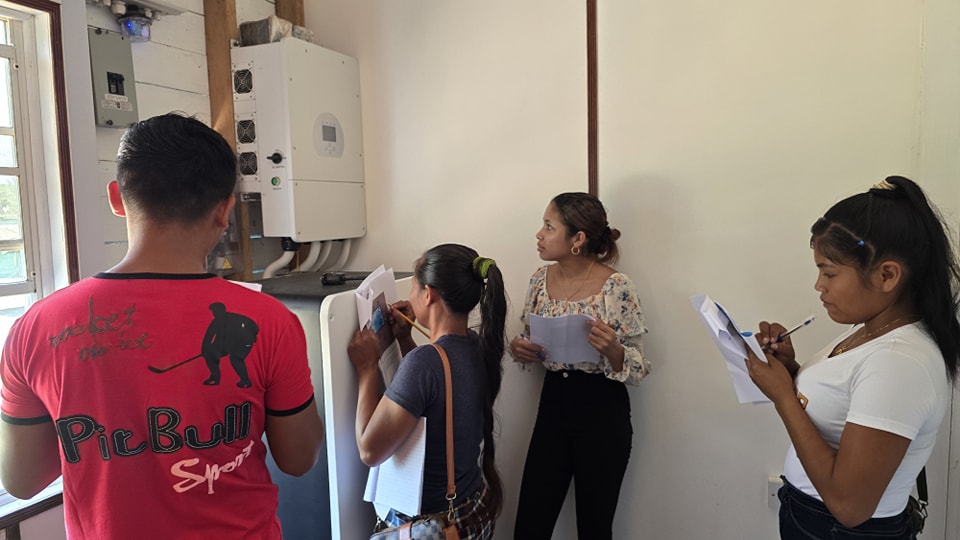
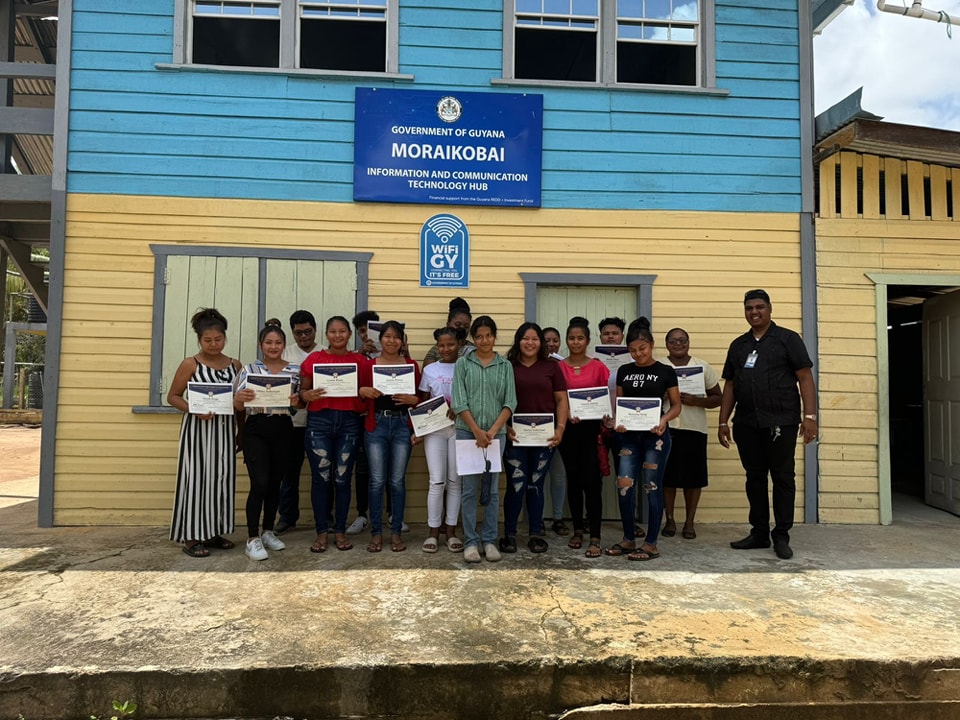
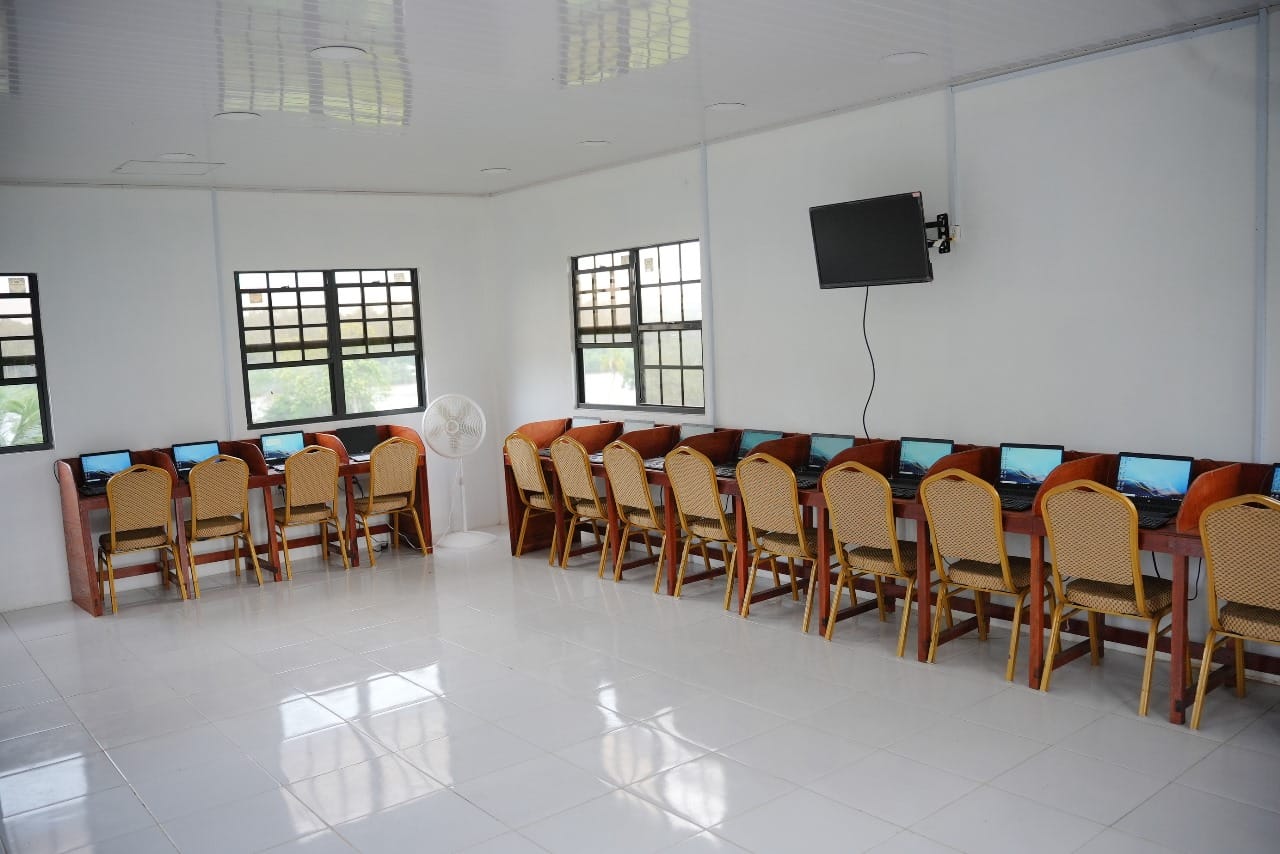
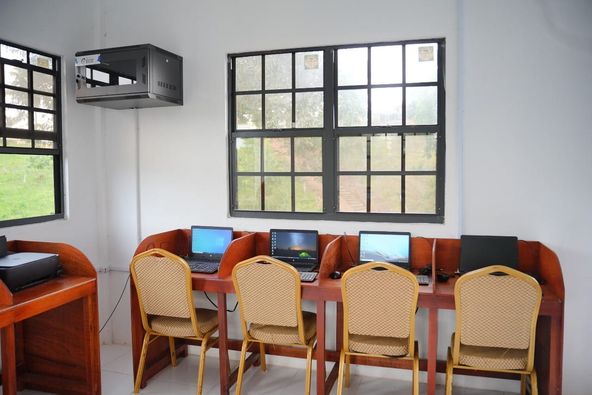
To date, GYD 506,791,000 has been granted to 164 communities to support the construction of the ICT Hubs. Additionally, 142 solar photovoltaic (PV) systems were commissioned with the assistance of the Guyana Energy Agency (GEA), which led to the installation of the solar PV systems. All Daily Subsistence Allowance (DSA), transportation, and other costs were covered by the project. The solar PV installation included mounting 250-watt solar modules, along with digital inverters, lightning protection, Power Cubes, DC disconnects, main, and distribution panels. Overall, 120 ICT hubs have been equipped with equipment (including laptops, laptop locks, smart televisions, and printers).

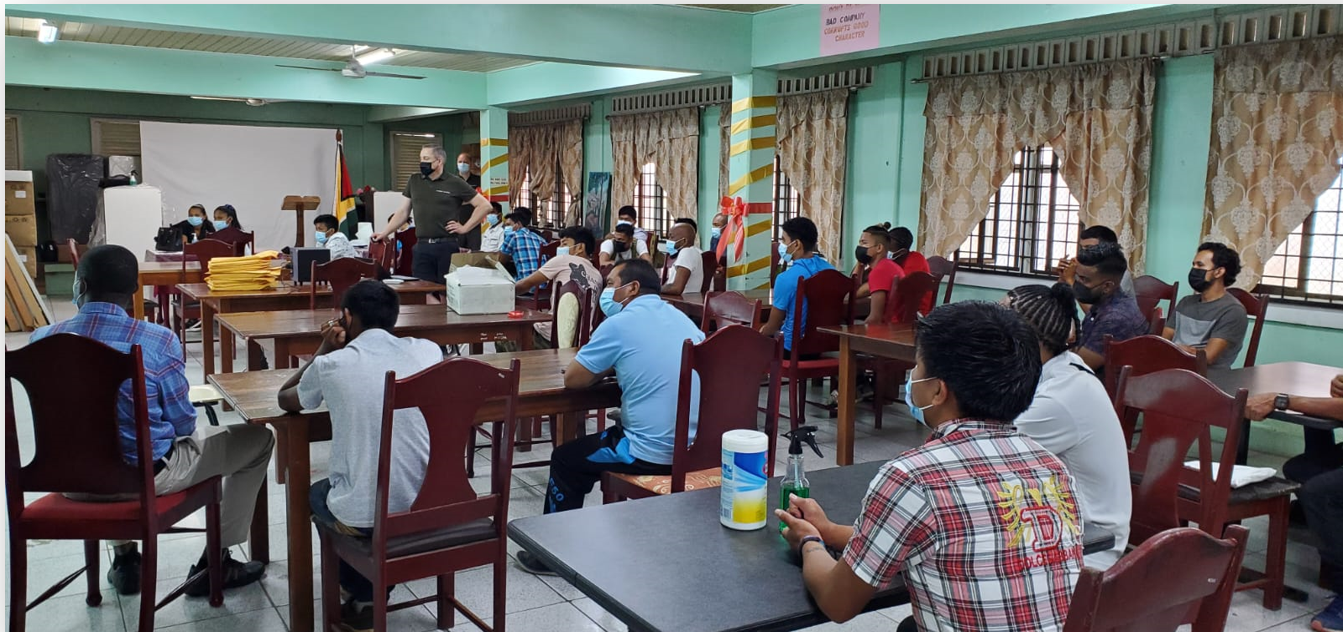
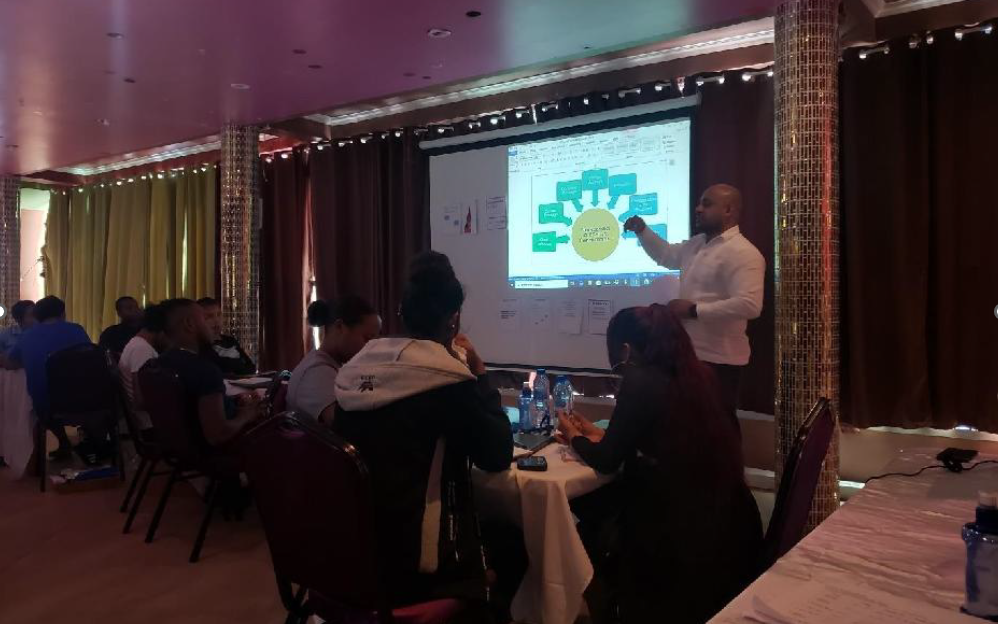
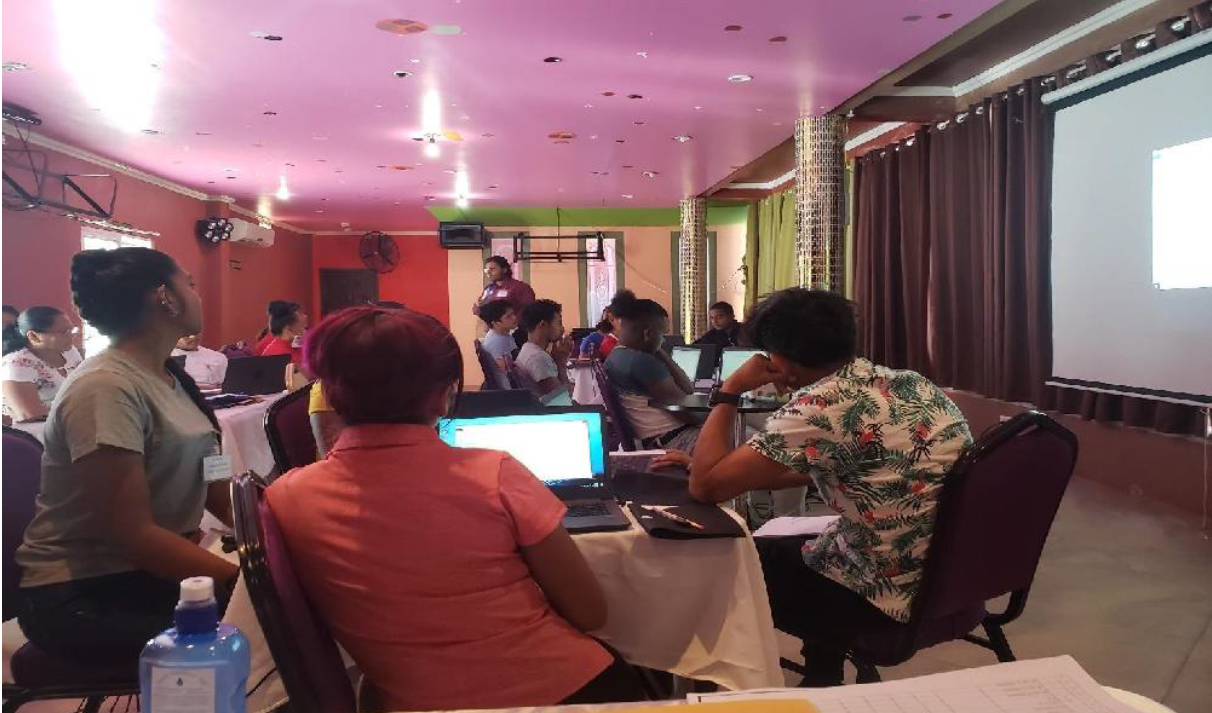
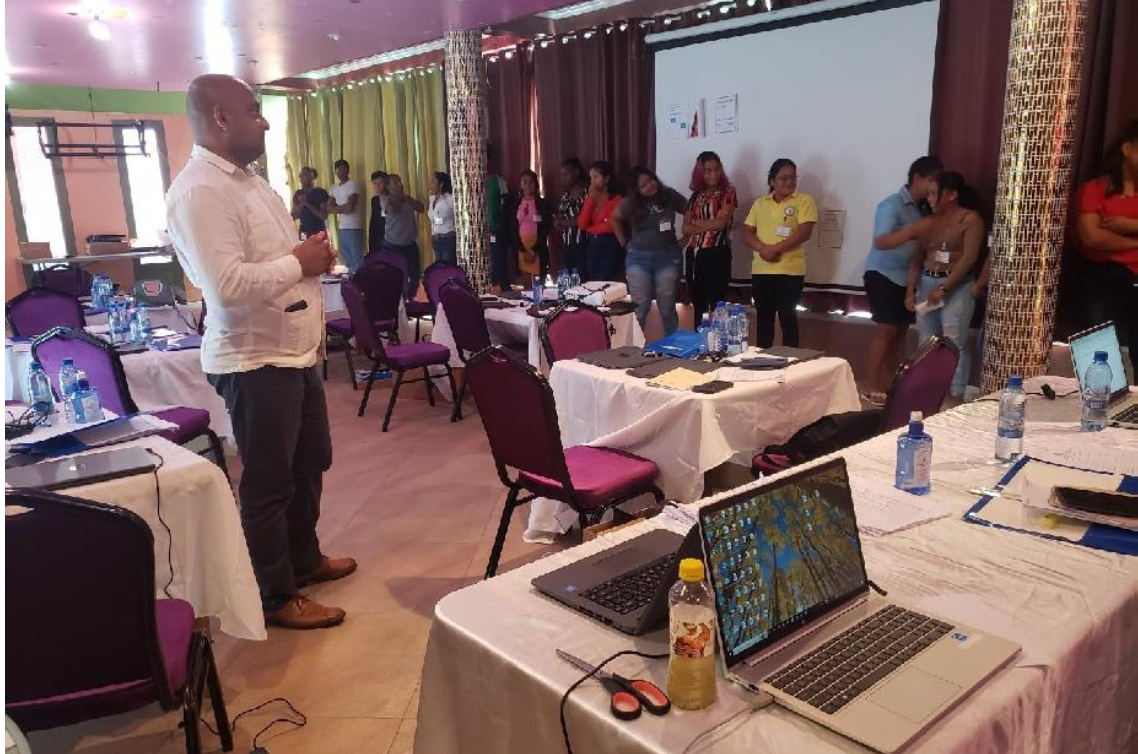
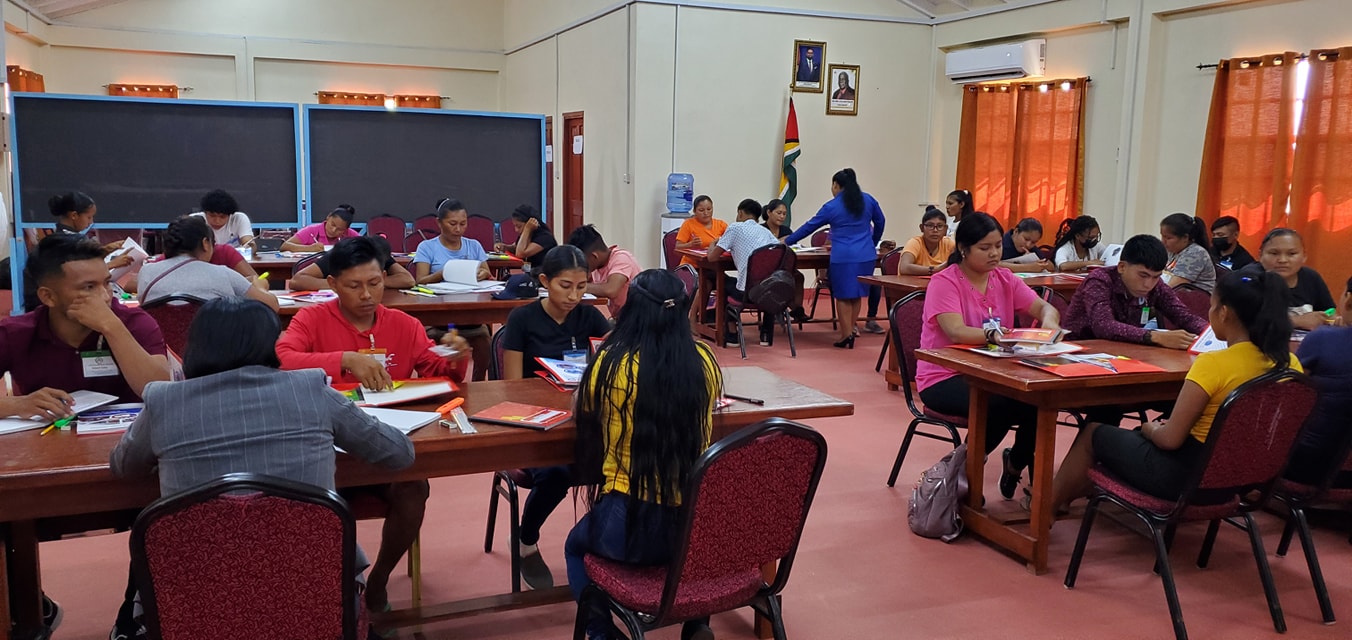
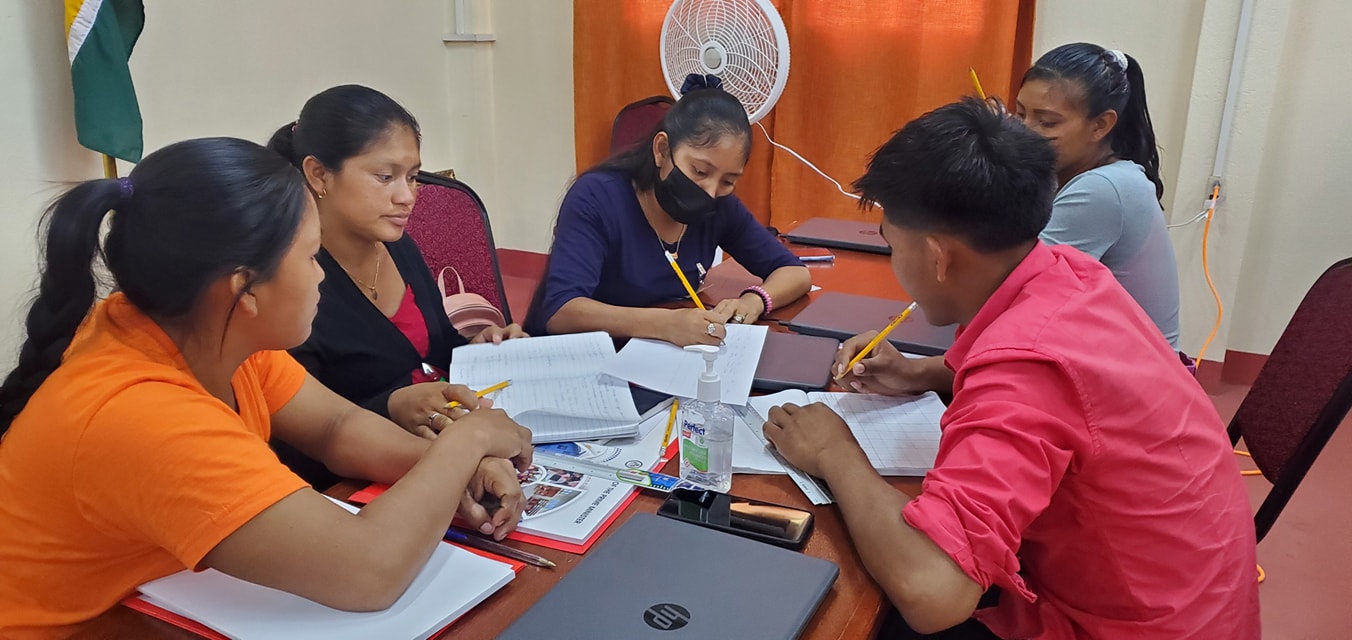
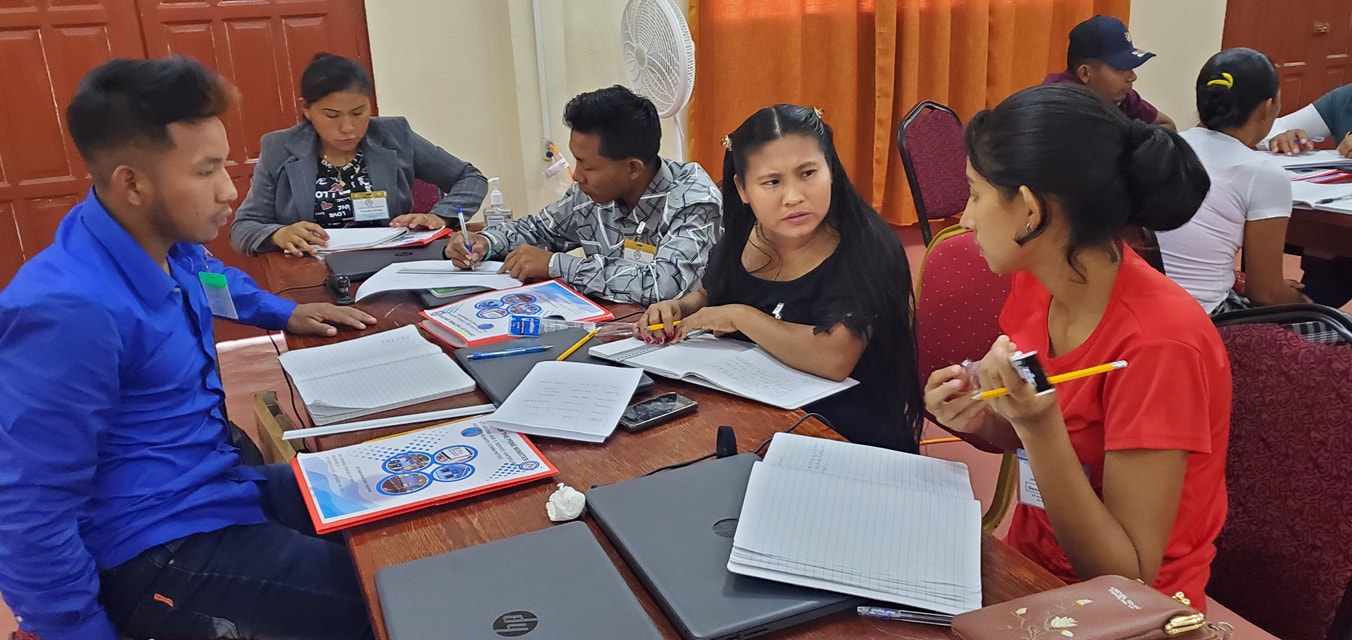
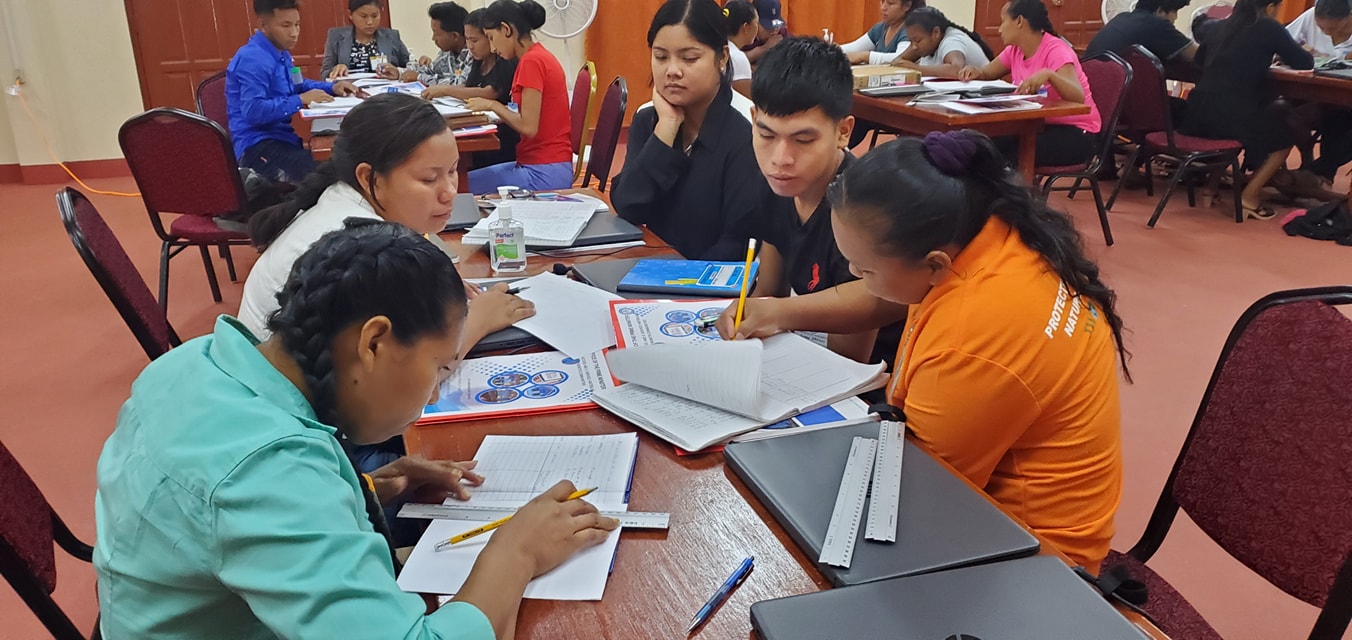
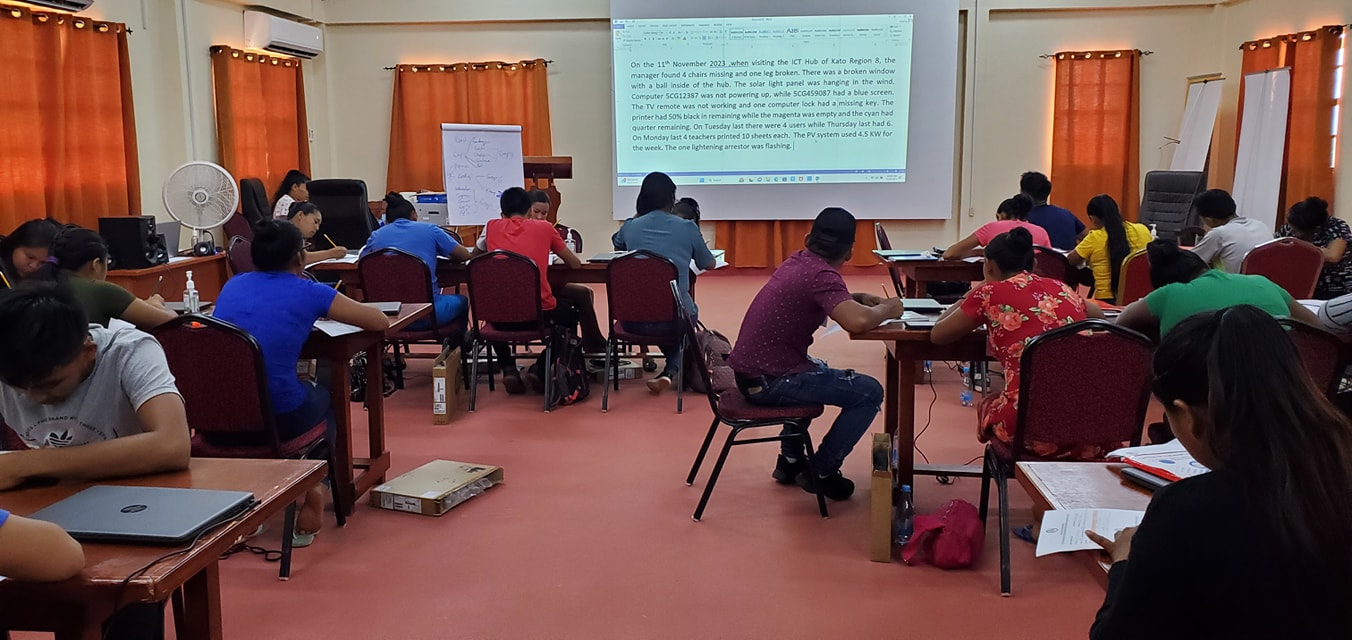
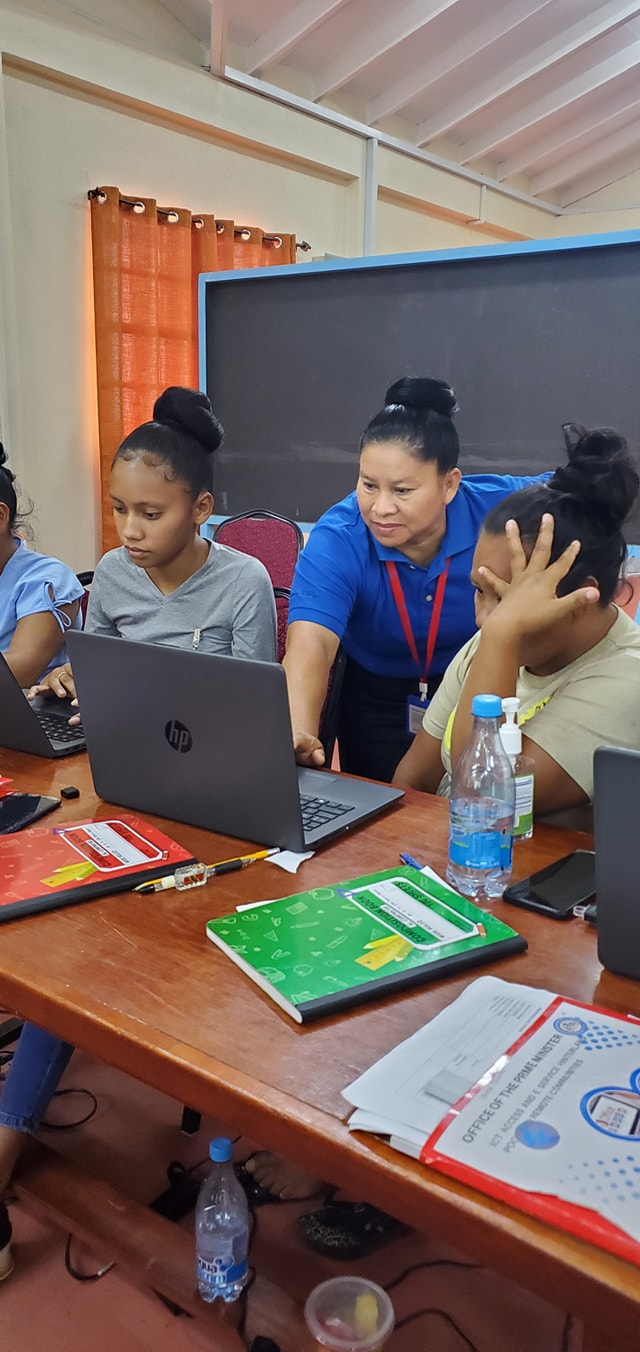
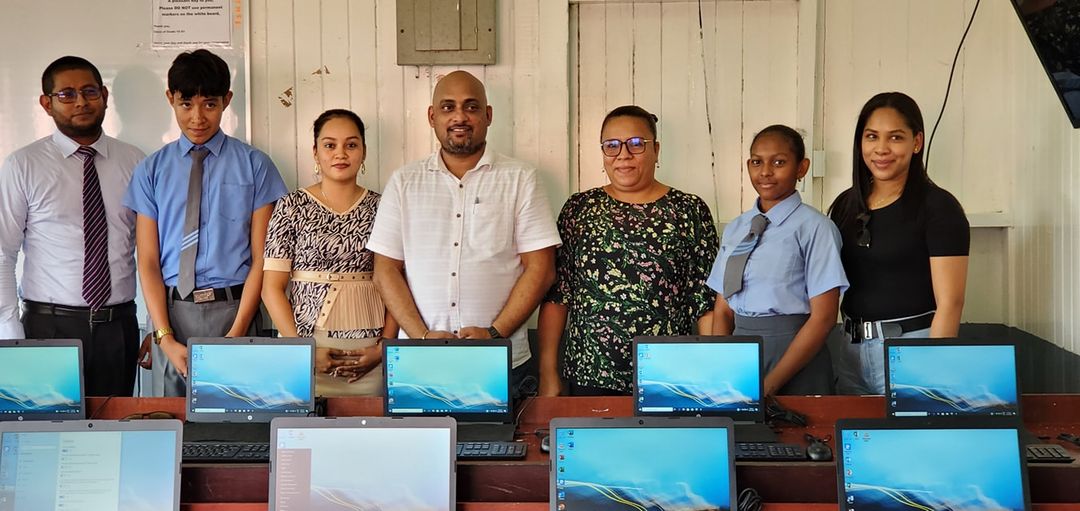
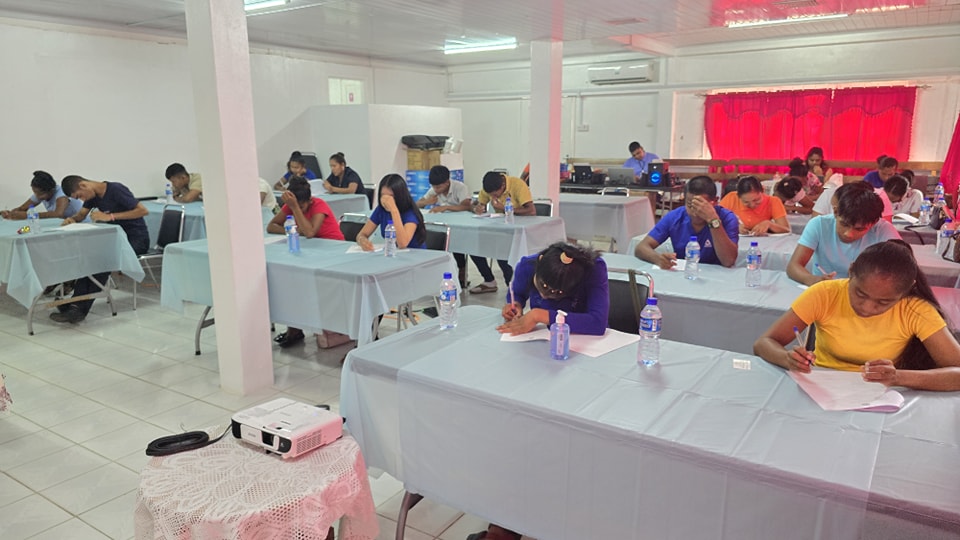
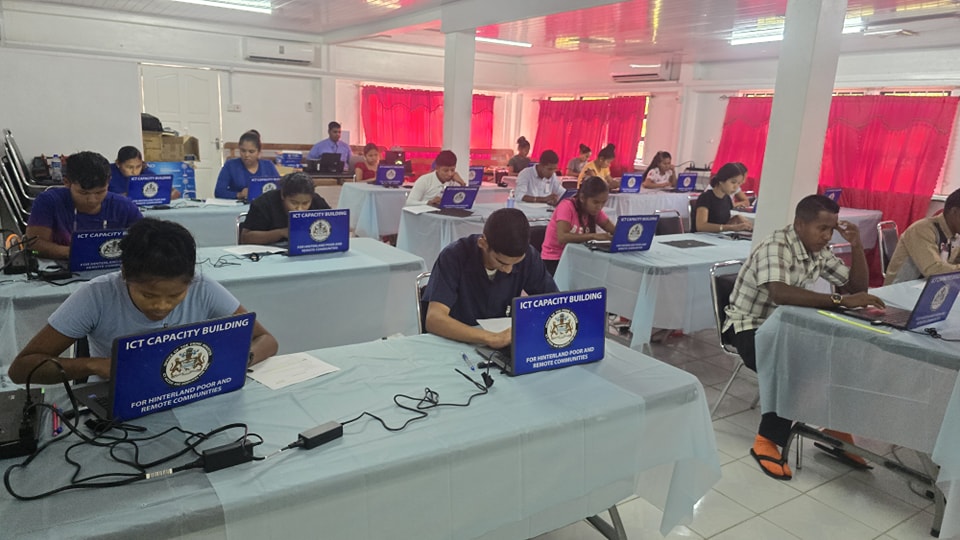
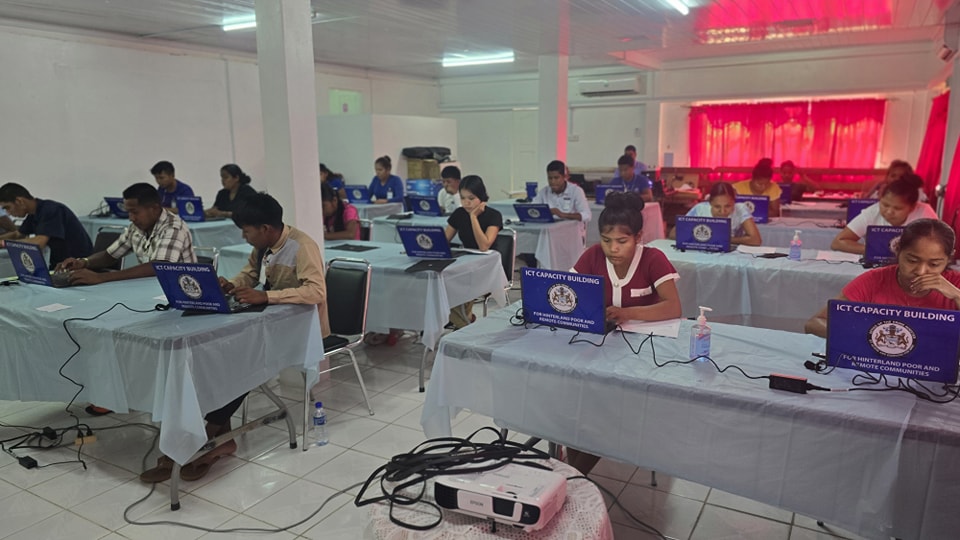
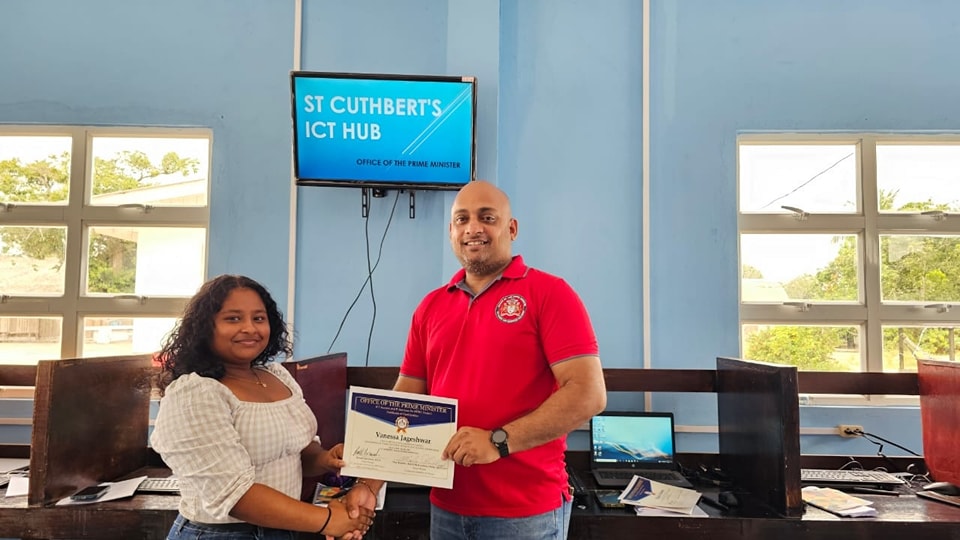
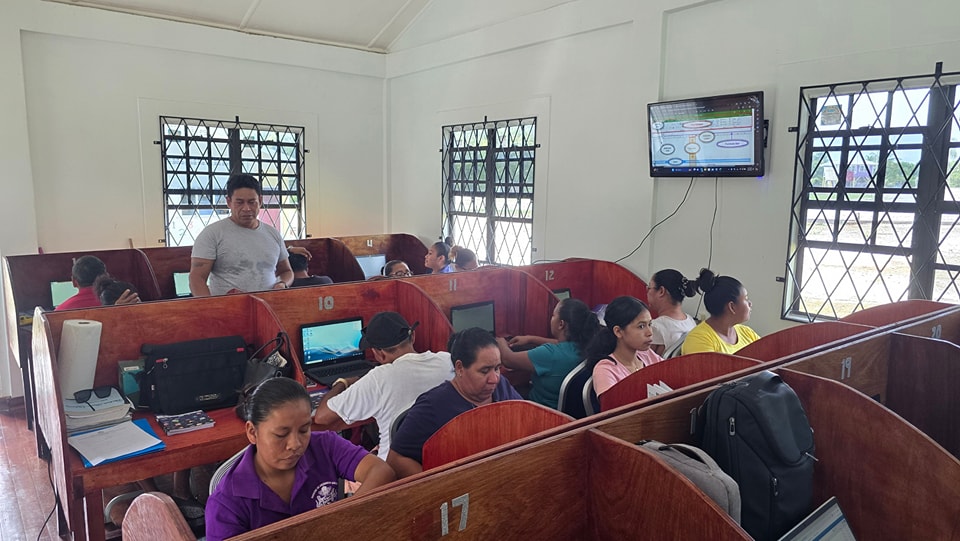
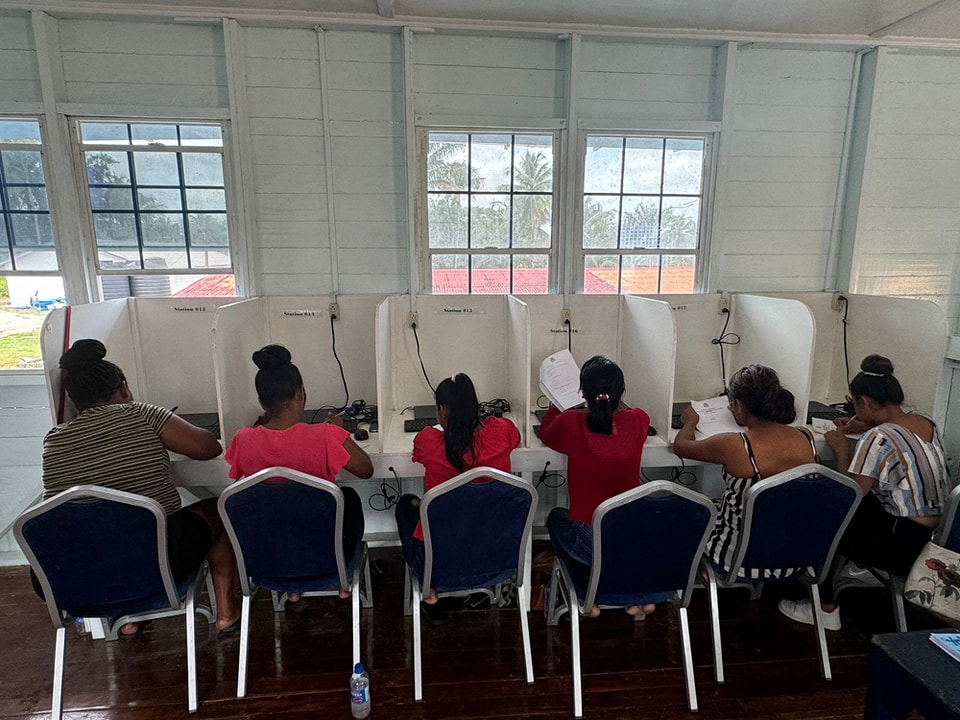
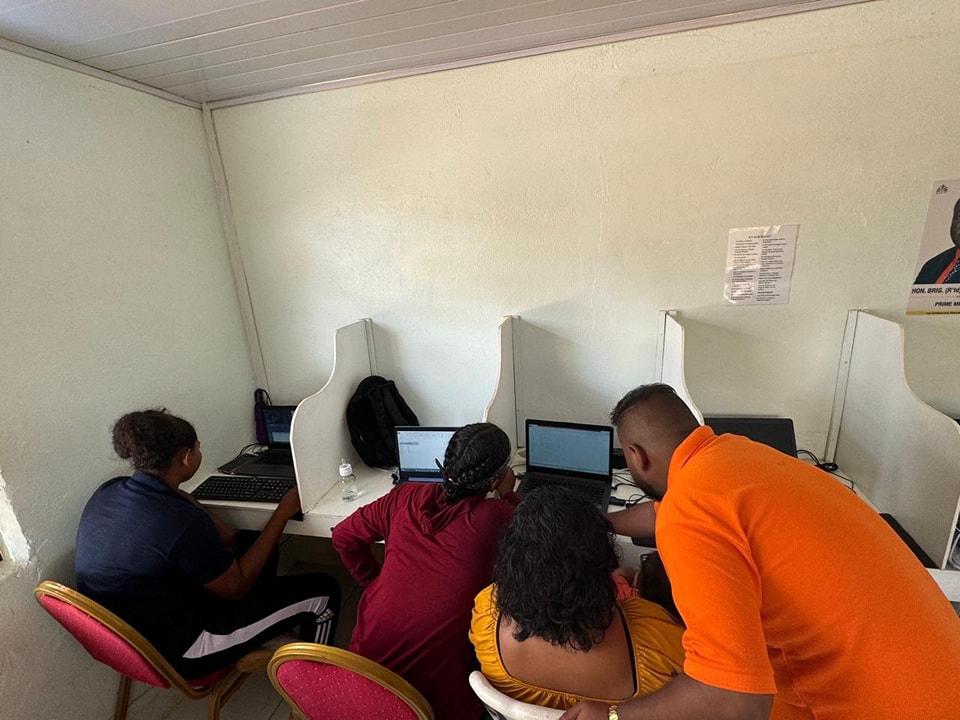
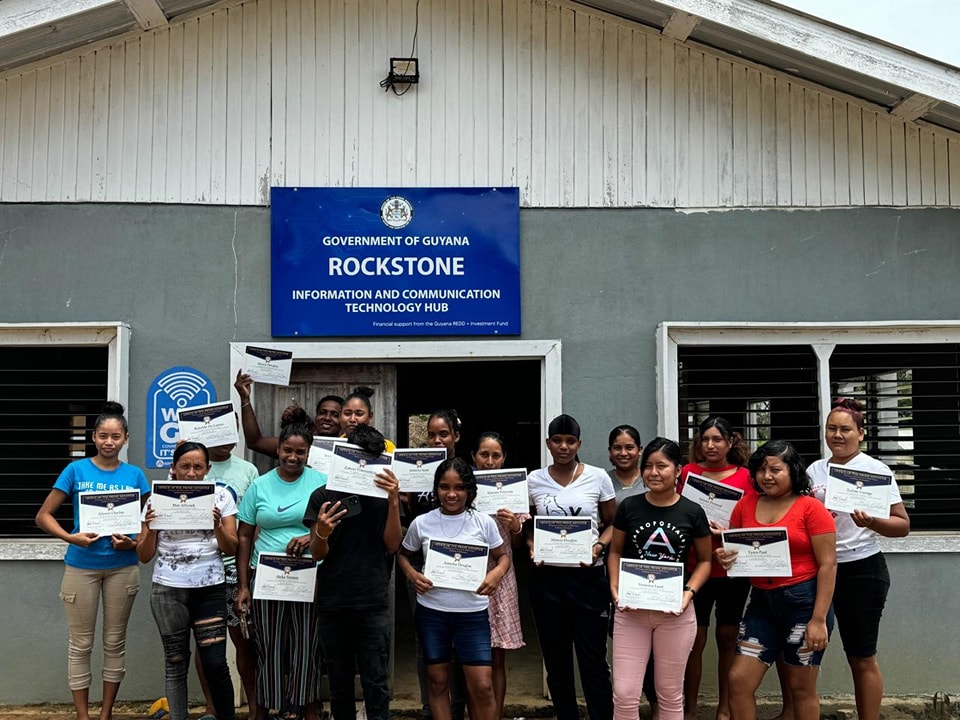
Hub managers and others received technical training on installing solar PV. To date, 34 persons, four (4) of whom are females, have been trained in the installation of solar PV. Additionally, 225 ICT hub managers, 57 of whom are females, were trained. 

ICT Hubs by Region

Documents

Show files
Loading
File
Size
Type
Last Modified
18 MB
pdf
Feb 08, 2024
201 KB
pdf
Feb 07, 2024
90 KB
pdf
Feb 07, 2024
10 MB
pdf
Feb 07, 2024
461 KB
pdf
Sep 28, 2023

Showing 1 to 5 of 6 files

Skip to content