


Guyana Utility Scale Solar Photovoltaic Program

PROJECT

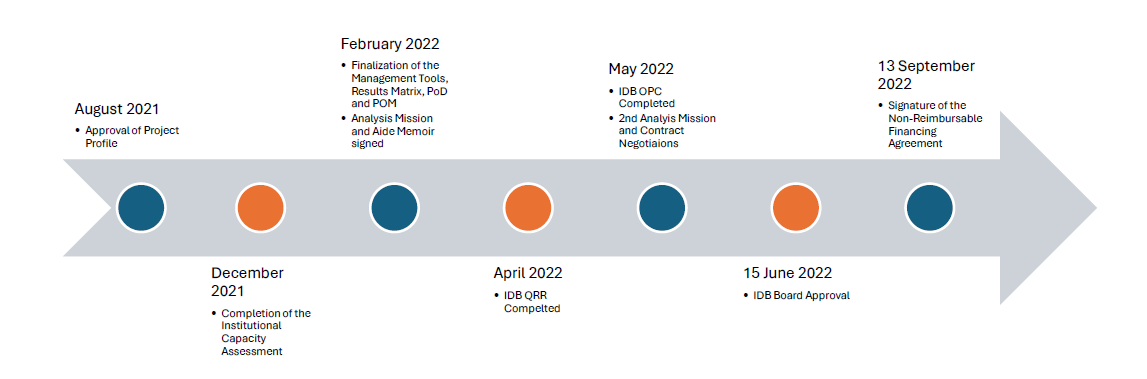
Timeline

June 2021
Concept Note Development
Jun 2021 - July 2022
De-risking Studies
August 2021
Approval of Project
August 2027
Project End Date

Project Status & Information

Status

Ongoing

Ongoing

Governance

Financial Performance

Funds Allocated (US$)​
USD $ 0
Expenditure (US$)​ as of Dec 2024
USD $ 0

Target

Solar PV capacity to be installed
0 MWp
Green House Gas emissions avoided
0 tonCO2eq/year

Target Capacity Development

Women certified in solar PV installation
0
Women certified in solar PV installation
0
Apprenticeship program
0

Background

The Guyana Utility-Scale Solar Photovoltaic Program (GUYSOL) is part of a broader initiative aimed at diversifying Guyana’s energy matrix towards the use of climate-resilient renewable energy (RE) sources in the electricity generation matrix. GUYSOL represents a significant step towards sustainable energy development in Guyana. The specific objectives of the program are to: 

 1 . Construct 33MWp of Solar PV Farms with an associated 34MWh of Battery Energy Storage Systems (BESS) as follows:

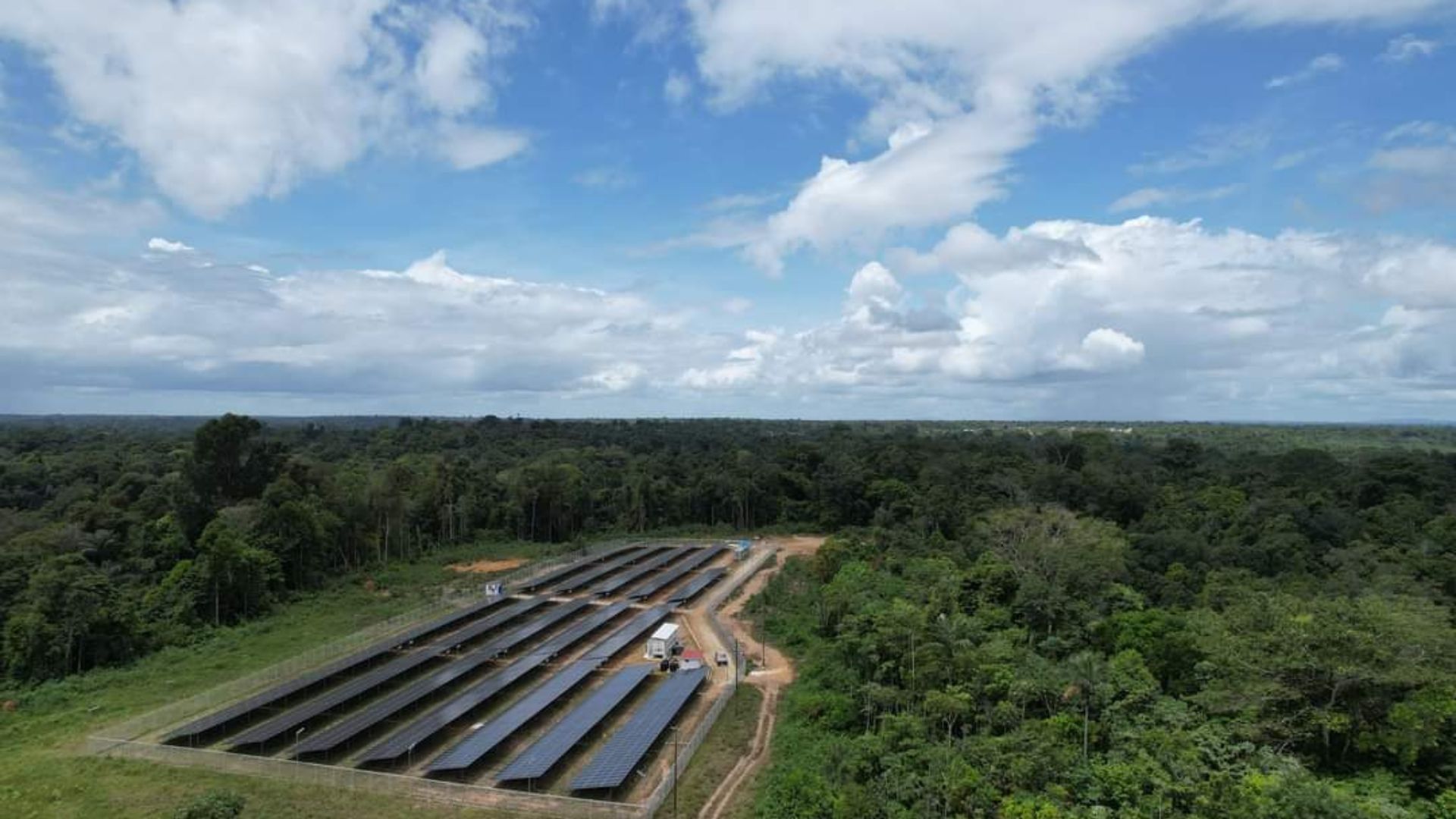
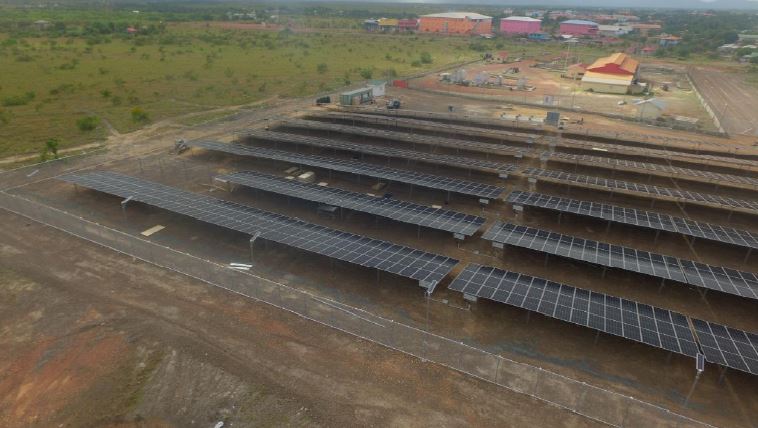
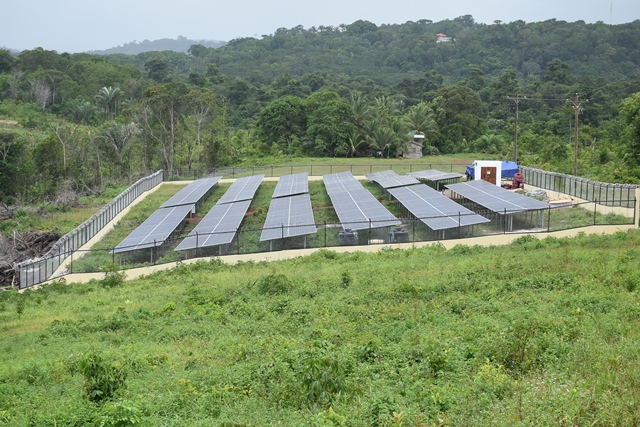
  • Linden – 15MWp of Solar PV with 22MWh of BESS  across three (3) sites: Block 37 (Millie’s Hideout), Retrieve, and Dacoura. 
  • Essequibo – 8MWp of Solar PV with 12MWh of BESS on the Essequibo Coast across two (2) sites: Onderneeming, and Charity (South Cozier Canal) 
  • Berbice – 10MWp of Solar PV in East and West Coast Berbice across three (3) sites: Trafalgar (WCB), Prospect (ECB), and Hampshire (ECB). 

Each facility will be connected to the 13.8 kV primary distribution network in its respective area. Not only will this component diversify the energy matrix by incorporating renewable energy sources, but it will also  displace the use of fossil fuels for electricity generation, thus contributing to climate change mitigation by reducing CO2 emissions. This development represents Guyan’s first utility-scale solar PV and BESS investment and mark  a significant milestone in the country’s renewable energy transition.

Under Component 2, “Operation Efficiency, System, and Capacity Building,”  focus is on enhancing efficiency and management of the isolated systems in Essequibo and Linden, while fostering inclusivity and capacity building within the renewable energy sector, particularly among women and underrepresented groups. Specifically, Component 2 includes:

  1. Upgrades and digital modernization of the isolated Essequibo and Linden electrical systems through energy management applications. This involves the installation of automated monitoring and control systems, remote control systems for substations, and the development of a Disaster Risk Management Plan for flood-prone sites.
  2. Support for the development of Energy Management Systems on the isolated systems of Essequibo and Linden power grids, as well as GPL’s overall system digitalization. This includes financing for hardware and/or cloud services, such as servers, networking devices, and field devices, along with software components and necessary communications protocols integrated into the power plant’s final designs.
  3. Gender and diversity-specific actions aimed at promoting inclusivity within the renewable energy sector in Guyana. This includes training programs for women in solar PV, Solar Job and Workforce Development (SJWD), with paid apprenticeship opportunities, as well as the design and implementation of apprenticeship programs for diversity and inclusion within the Project Executing Unit in GPL and other Government Energy Agencies.

Results

GUYSOL Project – Status Update (June 2025)

The GUYSOL Project, under the Guyana-Norway Partnership, continues to advance Guyana’s renewable energy capacity. As of June 2025, the Program Execution Unit is fully operational, guided by the Program Operations Manual approved in March 2023.

By June 2025, the construction of solar projects in Berbice and Essequibo are well advanced, while the third solar farm at the Linden site was just getting underway since contract signing in May 2025. 

With a focus on capacity building and empowerment, the training firm procurement had been completed, and the first batches of apprentices, including the Women in Solar Apprenticeship Program, commenced hands-on PV training, with the target of 50 women enrolled and acquiring technical skills for solar farm operations.

The Disaster Risk Management (DRM) Plan is also in its final stages, developed following the Inter-American Development (IDB) Disaster and Climate Change Risk Assessment Methodology, to guide preparedness, response, and recovery for all solar farm sites. The DRM Plan will be integrated into the Environmental and Social Management Plan (ESMP) to ensure compliance with national and international standards.

Together, these achievements demonstrate the project’s commitment to strengthening local capacity, fostering an inclusive workforce, enhancing infrastructure resilience, and expanding Guyana’s renewable energy sector in a sustainable, climate-resilient manner.

Photos

Title

Show files
Loading
File
Size
Type
Last Modified
6 MB
pdf
Feb 09, 2024
3 MB
pdf
Feb 09, 2024
2 MB
pdf
Feb 09, 2024
644 KB
pdf
Feb 09, 2024
543 KB
pdf
Feb 09, 2024
Skip to content