

Mainstreaming Sustainable Land Development and Management

PROJECT

Timeline

March 2017
Project Appraisal
UNFAO Local Project Appraisal Committee
March 2017
Public Review/Comment
Project Document Public Review/Comment Period
GRIF
January 2017
GRIF Steering Committee Approval
January 2018
Project Implementation
No-Cost Extension - November 2021
No-Cost Extension - May 2023
April 11th, 2018
Project Start
December 31st 2025
Project Completion

Project Status & Information

Status

Completed

December 2025

Governance

GLSC

FAO

Financial Performance

Expenditure as of December 2025
(Actual+ Commitments)
USD $ 0
Funds Allocated (US$)​
USD $ 0

Capacity Development

Number of GLSC staff
0
Number of Stakeholders trained and capacitated
0

Results

Improving land administration and GIS services as of September 2025
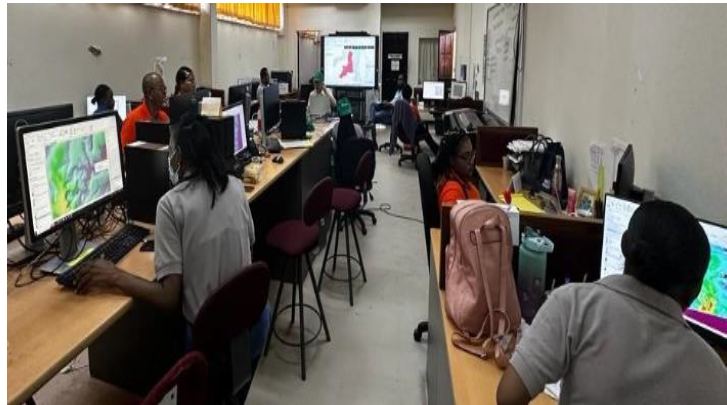
Updating Base maps in Guyana
using LIDAR
Development of National level mapping for land cover and land use
Pilot intervention on degradation and deforested land
Diploma in Land Administration Program
0

Capacity Development

Training on land policy and regulations application
0 %

Background

The Sustainable Land Development and Management (SLDM) Project, funded through the Guyana REDD+ Investment Fund (GRIF), seeks to enhance land management practices in Guyana by ensuring sustainability in land administration systems, streamlining the provision of land services, and strengthening decision-making processes. In doing so, the project aims to foster long-term economic, social, and environmental development across the country.

Implemented by the Guyana Lands and Surveys Commission (GLSC), with the Food and Agriculture Organization of the United Nations (FAO) as the partner entity, the SLDM Project is one of seven GRIF-funded initiatives. It plays a pivotal role in improving land use planning, strengthening institutional capacity, and equipping communities with the tools and knowledge needed to manage land resources responsibly.

The project is guided by four key outcomes:

  • Mainstreaming SLDM in Policy, Institutional and Governance Mechanisms to prevent degradation and restore degraded lands.
  • Strengthening Institutional and Human Capacity for participatory and integrated sustainable land management.
  • Enhancing Local Governance to apply sustainable land management on the ground in three (3) administrative regions (regions 4, 7, and 10) supporting SLDM implementation.
  • Reinforcing Project Management and Monitoring Frameworks to ensure effective delivery and accountability.

Through these outcomes, the SLDM Project focuses on addressing challenges such as land degradation, competing land uses, and the need to strengthen land administration for further enhancing transparency and efficiencies. Other important aspects of the project involve  building a modern spatial data infrastructure, advancing sustainable land management practices, and further aligning Guyana’s land governance systems with global standards of sustainability and climate resilience.

Ultimately, the SLDM Project not only improves national land governance but also supports Guyana’s broader development agenda and its leadership in global climate and forest conservation.

Results

Results Achieved (as of June 2025)

Land Policy and Governance

  • The National Land Use Policy Paper has been completed and submitted to the Government of the Cooperative Republic of Guyana. This document addresses policy, legal, and institutional frameworks, as well as international conventions, and serves as a guiding resource for policymakers by outlining current challenges, future visions, and strategic directions for Guyana’s land sector.
  • Strategic planning has resulted in the development of a five-year Strategic and Business Plan and an Annual Business Plan for the GLSC. These plans enhance operational efficiency, financial sustainability, and the Commission’s ability to address emerging land management challenges.
  • With technical support from the SLDM Project, GLSC is upgrading its land information system into an integrated workflow-based platform, combining spatial and non-spatial lease data and tenure records to create a more secure, efficient, and transparent system.


Technology Integration and Geospatial Infrastructure

  • The National Spatial Data Infrastructure (NSDI) Action Plan has been completed and implementation initiated.
  • Developed under the Integrated Geospatial Information Framework (IGIF), Guyana became the first country to receive UN approval for its NSDI under the Committee of Experts on Global Geospatial Information Management. This milestone will streamline geospatial data sharing, updating, and analysis among agencies.
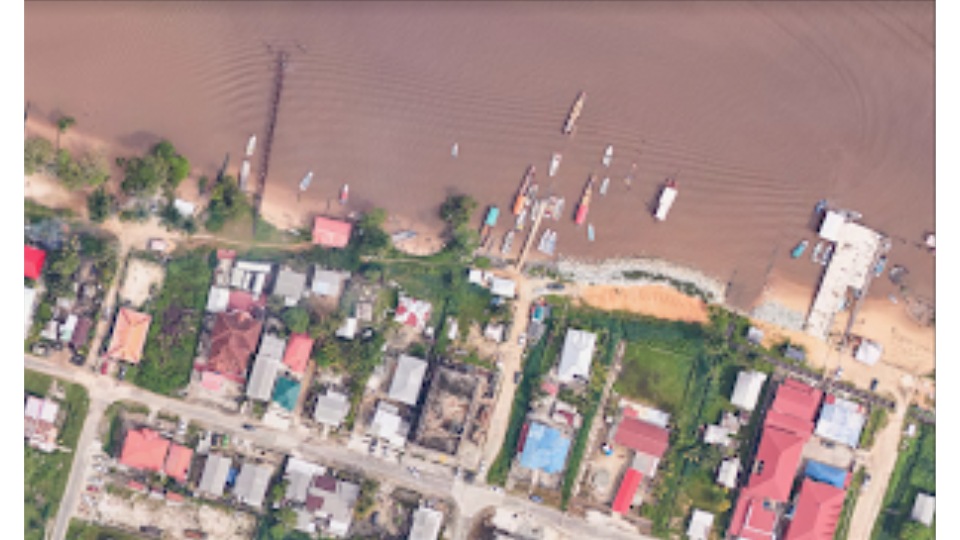
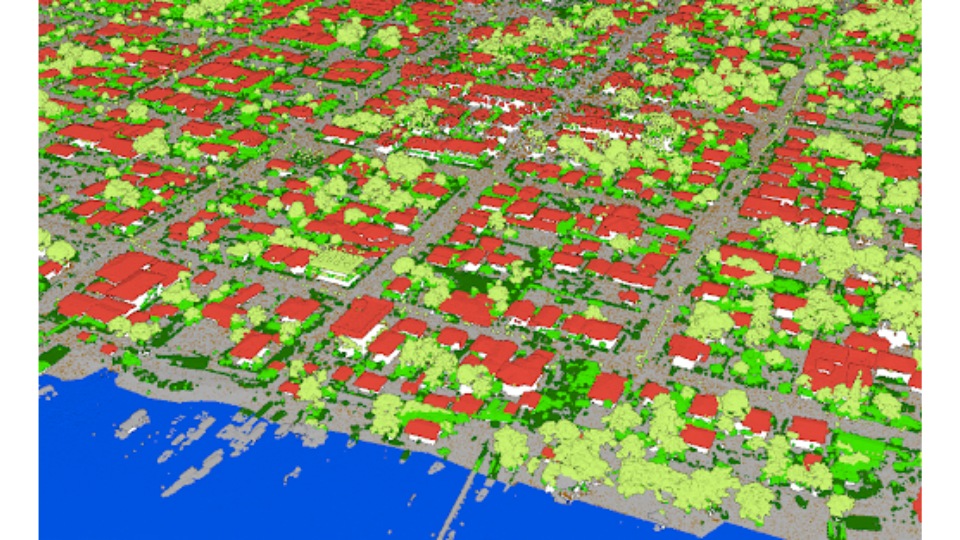
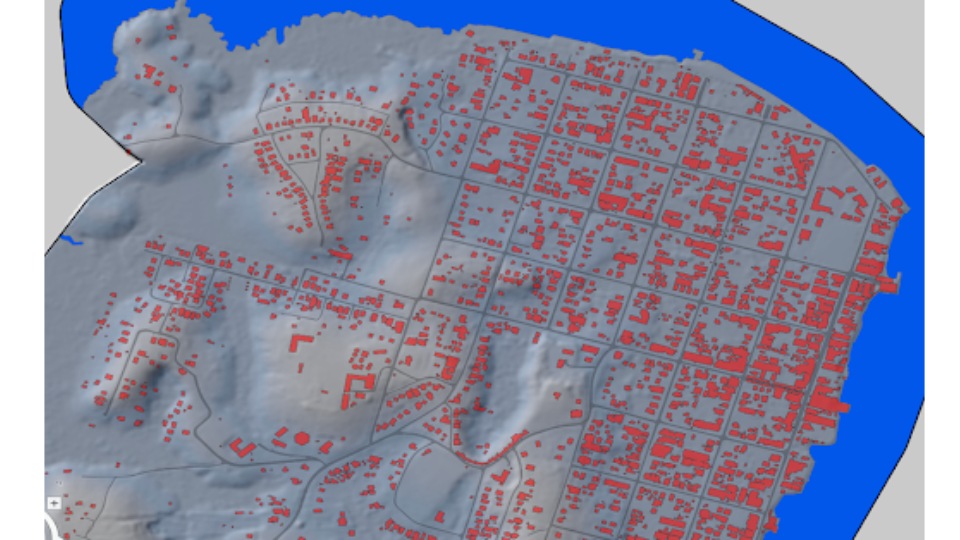
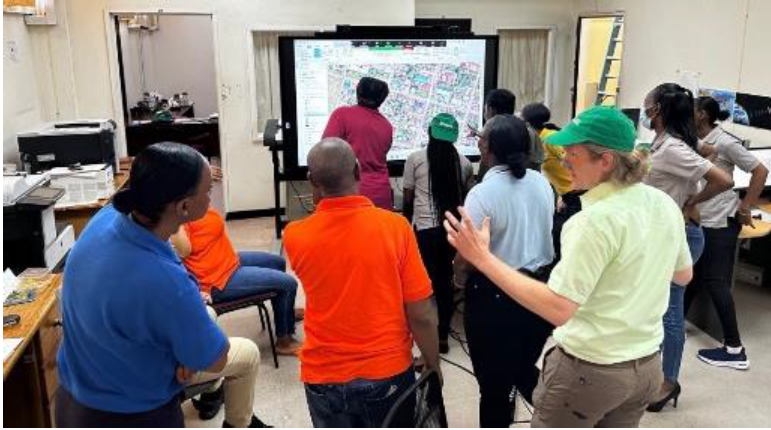
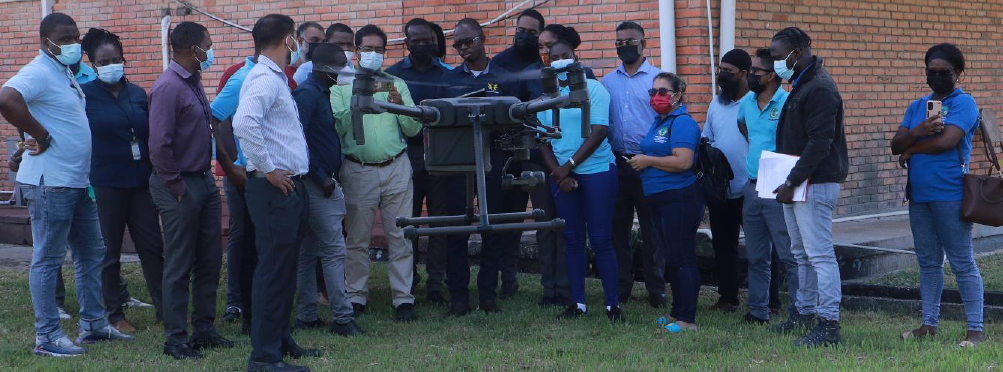
  • The National Topographic Base mapping is being updated with Light Detection and Ranging (LIDAR) technology. Covering 545 km² of urbanized area and 15,736 km² of rural land, the updated maps provide terrain data, aerial imagery, and extracted features for use in hydrography, housing, environment, agriculture, forestry, and urban/rural planning.
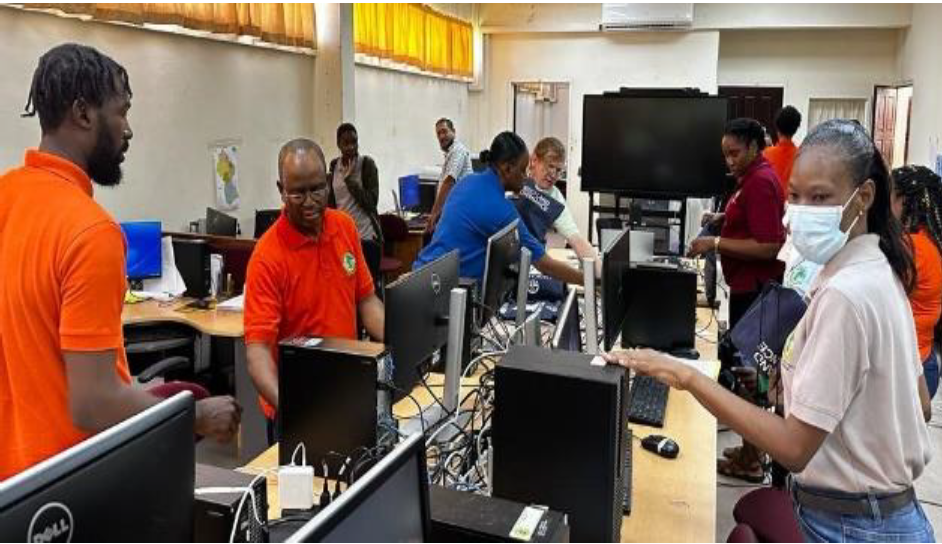
  • Eleven (11) NextGen web-based modules were developed to process land leases more efficiently. The system simplifies workflows and eliminates the need for local installation, supported by newly developed standard operating procedures.


Land Management and Restoration

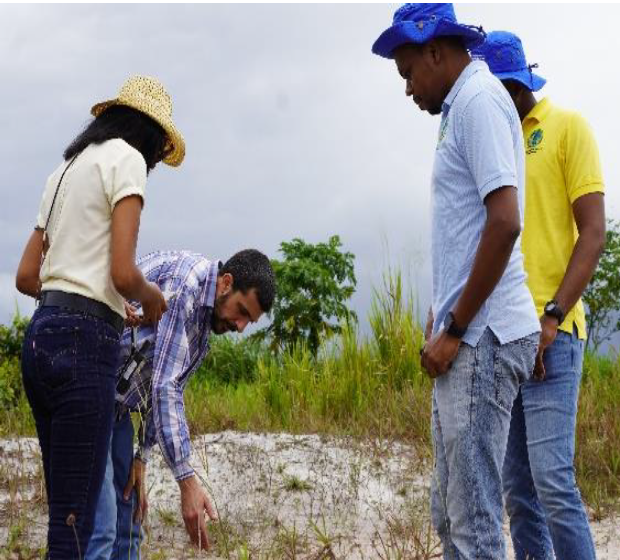
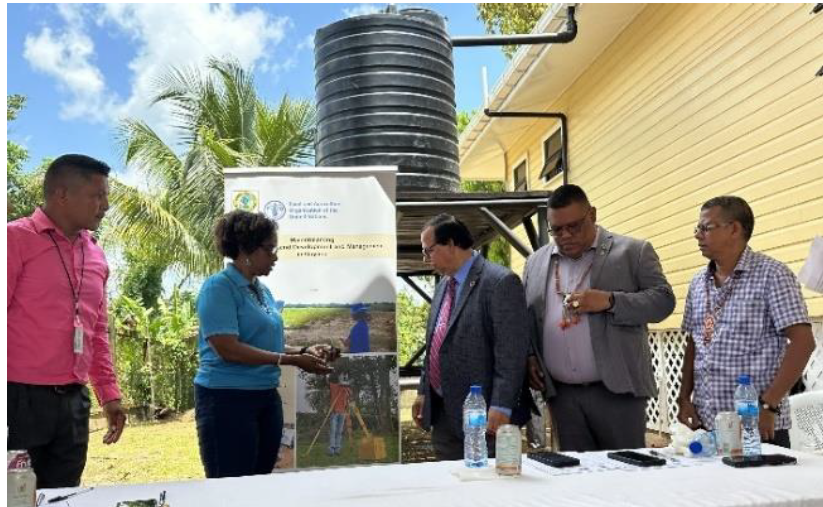
  • Land degradation diagnostics were conducted in pilot regions using the SEPAL platform, complemented by soil analysis and fieldwork at sites in Regions 4, 7, and 10. These assessments informed recommendations for sustainable interventions.
  • Pilot interventions on degraded and deforested lands are 38% complete, with restoration activities underway to generate lessons for future scaling.

Capacity Building and Training

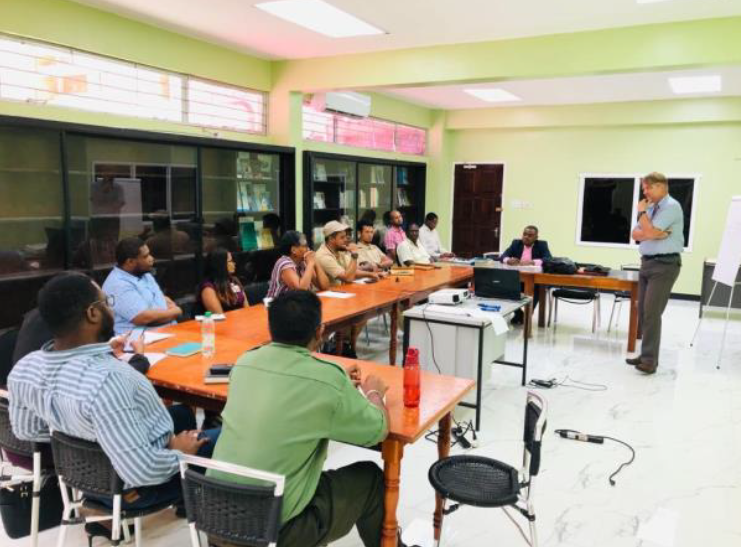
  • 482 personnel from GLSC and other government agencies received training to strengthen institutional capabilities in land policy and regulatory frameworks.
  • 18 staff from GLSC and related agencies completed the Diploma in Land Administration Program at the University of Guyana.
  • 131 stakeholders (over 50% women) were trained in land policy, regulations, and GIS/land administration systems to improve national and local capacity for sustainable land use.
  • Capacity development activities have been completed (100%), ensuring stronger compliance and institutional understanding of land governance.

Infrastructure Development

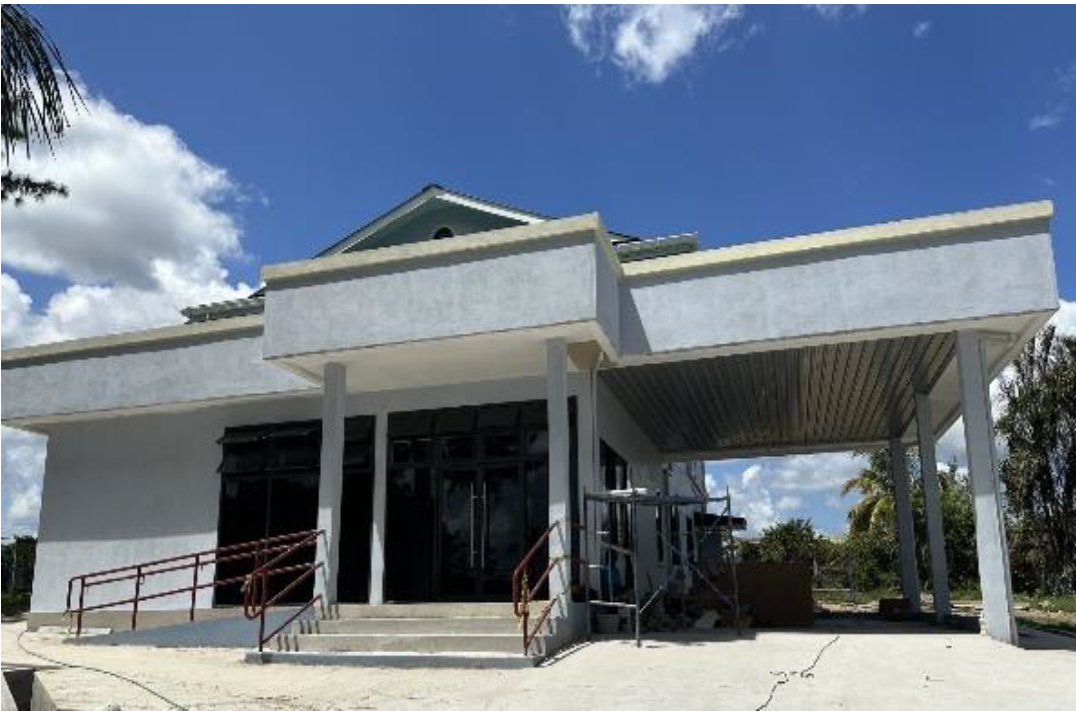
  • GLSC’s regional offices have been constructed or rehabilitated in Mabaruma, Port Kaituma, Black Bush Polder, and Bartica. These upgrades are expanding access to decentralized land administration services and improving service delivery for citizens nationwide.

Progress and Financial Performance

  • Improved Land Administration and GIS Services: 85% progress
  • National-Level Mapping for Land Cover and Land Use: 90% progress (maps being finalized)
  • Pilot Intervention on Degraded Lands: 38% progress
  • Capacity Development on Land Policy and Regulations: 100% completed
  • Financially, the project is on track with over 90% of allocated resources utilized or committed.

Looking Ahead

Scheduled to close in December 2025, the SLDM Project is focusing on consolidating results, finalizing the national land cover/land use mapping, and scaling pilot restoration interventions. With its strong emphasis on capacity development, GIS services, and policy frameworks, the project is expected to leave a lasting impact on land management in Guyana, directly supporting the Low Carbon Development Strategy (LCDS 2030) and contributing to global climate resilience.

Documents

Show files
Loading
File
Size
Type
Last Modified
201 KB
pdf
Feb 08, 2024
88 KB
pdf
Feb 08, 2024
4 MB
pdf
Feb 08, 2024
1 MB
pdf
Feb 08, 2024
1 MB
pdf
Feb 08, 2024

Showing 1 to 5 of 7 files

Skip to content